Crossing a dozen borders on one trip means your phone needs to keep working the same way your itinerary changes: fast, without a SIM tray, without hunting a local kiosk at the airport. Best overall for round-the-world trips: A-Sim's Global eSIM. Best for extended regional stays: A-Sim's Regional eSIM. Best for backpackers on a tight budget: stacked single-country eSIMs, swapped as you cross each border.
- The best esim for round the world trip in 2026 is A-Sim's Global eSIM for multi-continent coverage without swapping profiles.
- Regional eSIMs beat global plans when you're staying in one area, like Europe, for weeks at a stretch.
- Backpackers save by stacking single-country eSIMs instead of paying for global coverage they won't use everywhere.
- eSIM has worked on iPhone since 2018 and Android since 2017, so compatibility rarely blocks a switch in 2026.
Why this matters
A round-the-world itinerary breaks a physical SIM the moment you land somewhere new. You either buy a local SIM at every stop, pay roaming fees your carrier back home controls, or carry a stack of plastic cards you'll lose in a hostel drawer.
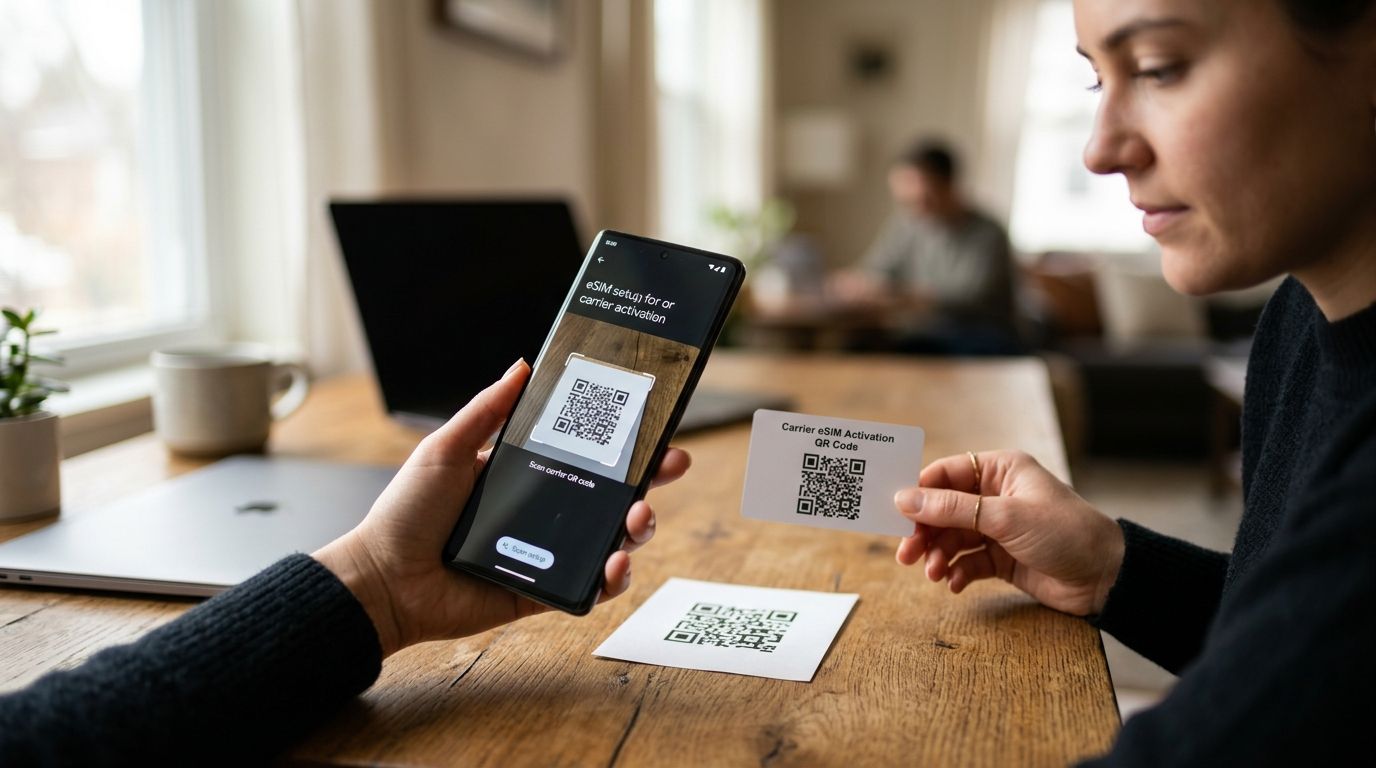
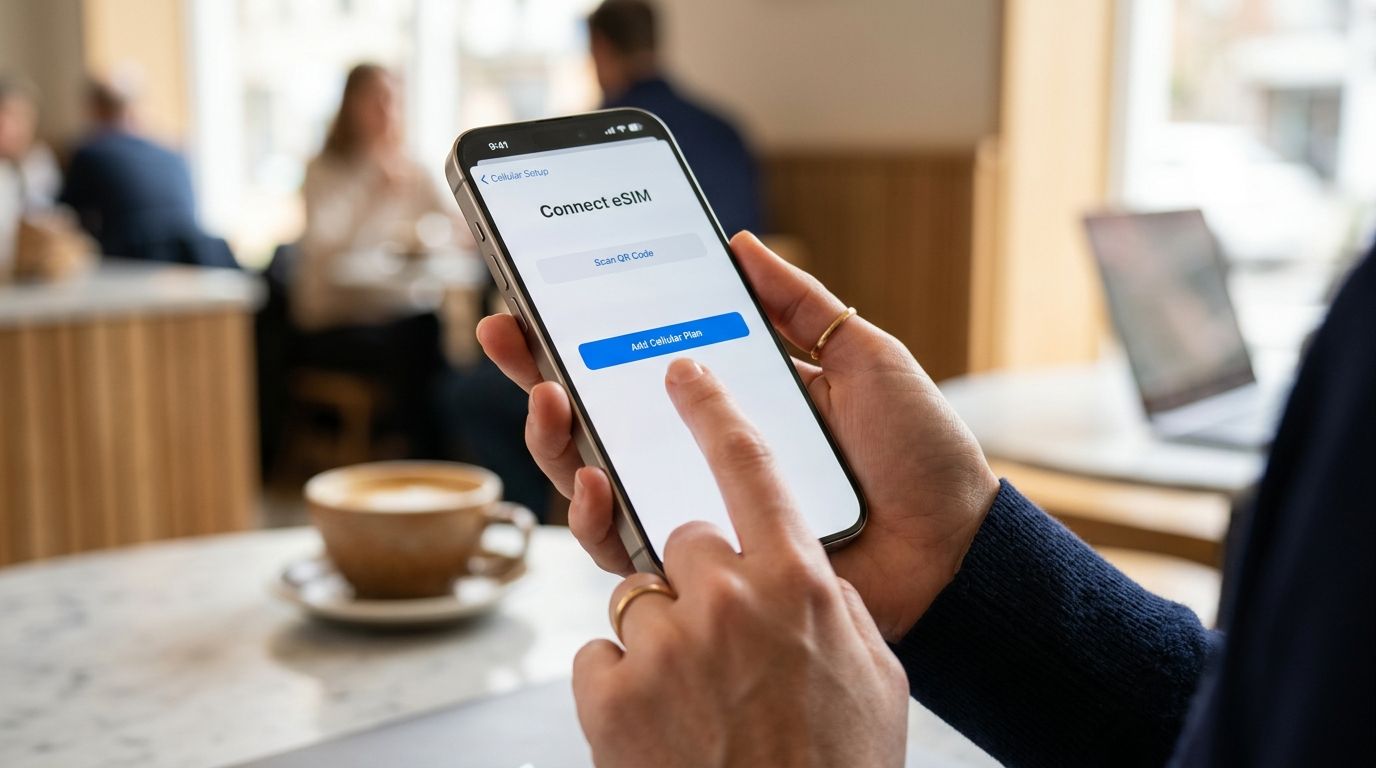
An eSIM removes the tray entirely. You install a data profile from the A-Sim app or website, activate it with one tap, and top up mid-trip without finding a shop. The question isn't whether eSIM beats a physical SIM for a multi-country trip in 2026 — it's which eSIM setup matches your itinerary.
What makes the best eSIM for a round-the-world trip
- Multi-country coverage that doesn't force a new install at every border
- Network partnerships that hold up in both major cities and rural stretches
- Data plans that scale, from a weekend layover to a six-month circuit
- One-tap install from an app or QR code, no carrier store visit required
- In-app top-up, so you're never stuck hunting for a shop at 11pm
- Support that covers your time zone, not just the provider's home country
Round-the-world eSIM options at a glance
| Approach | Best for | Standout feature | Key limitation |
|---|---|---|---|
| A-Sim Global eSIM | Multi-continent RTW itineraries | One profile covers many countries, no border swaps | Regional data pools can run thinner in remote areas than a single-country plan |
| A-Sim Regional eSIM (Europe) | Weeks-long stays inside one region | Shared data pool across an entire region | Doesn't help once you leave the region, e.g. flying from Europe to Southeast Asia |
| A-Sim Single-Country eSIM (Japan) | Long stopovers needing dependable local-grade data | Tuned to one country's network partners for consistent speed | Requires a fresh install every time you cross a new border |
| Stacked single-country eSIMs | Backpackers optimizing cost over convenience | You pay only for the countries you actually visit | More manual installs and more app management on the road |
| A-Sim business traveler setup | Professionals needing one reachable line across time zones | Keeps a stable number active while data handles the country change | Not built around per-country cost trimming |
1. A-Sim's Global eSIM: best for multi-continent round-the-world trips
A global eSIM installs once and follows you across a multi-country circuit without a new activation at every airport. It's the setup most RTW travelers should default to in 2026 if the itinerary spans three or more continents.
A-Sim Global eSIM pros:
- One install covers the whole trip, no re-scanning QR codes at each border
- Top-up happens in the app mid-flight or mid-layover
- No physical SIM tray to lose or swap
A-Sim Global eSIM cons:
- Remote or less-connected regions may see thinner data pools than a dedicated single-country plan
- Overkill if your trip only touches one region
Best for: travelers hitting multiple continents on one loop. Verdict: Buy.
2. A-Sim's Regional eSIM: best for extended stays in one part of the world
A regional eSIM, like the one built for Europe, pools data across an entire region instead of one country. It fits an RTW leg where you're spending three or four weeks moving between neighboring countries before flying onward.
A-Sim Regional eSIM pros:
- Shared data pool works across borders inside the region
- Cheaper to manage than juggling a new SIM per country
- No manual reinstall until you actually leave the region
A-Sim Regional eSIM cons:
- Dead weight the moment you fly to a different region
- Not the right pick for a trip that only clips a region for a few days
Best for: the multi-week Europe, Southeast Asia, or similar regional leg of a bigger trip. Verdict: Buy for that leg, pair with another option for the rest.
3. A-Sim's Single-Country eSIM: best for long stopovers
When one stop on your route deserves a week or more, a single-country eSIM, like the one built for Japan, gives you data tuned to that country's own network partners instead of a shared regional pool.
A-Sim Single-Country eSIM pros:
- Consistent speed because the plan isn't shared across a whole region
- Simple to activate before or after landing
- Works well as a top-up alongside a global plan for a heavy-data stop
A-Sim Single-Country eSIM cons:
- Needs a fresh install at every new country
- Doesn't make sense if you're only passing through for a day
Best for: a long stopover, like two weeks in Japan or a month in the USA, inside a bigger RTW loop. Verdict: Buy for the anchor stops.
4. Stacked single-country eSIMs: best for backpackers on a tight budget
Backpackers running a shoestring circuit often do better stacking individual country eSIMs instead of paying for coverage in regions they'll barely touch. The approach mirrors what shows up in the backpacker eSIM guide: install, use, delete, repeat at each border.
Stacked eSIMs pros:
- Pay only for the countries you're actually in
- Flexible if your route changes mid-trip
- Each install is a one-tap process, so switching isn't a hassle
Stacked eSIMs cons:
- More manual work than a single global profile
- Easy to forget to activate ahead of a border crossing if you're not organized
Best for: budget-first backpackers with a loose, changeable route. Verdict: Buy if convenience matters less than cost.
5. A-Sim's business traveler setup: best for professionals staying reachable
A round-the-world trip for work looks different from a backpacking loop. The priority shifts from cheapest data to a stable number and dependable connection for calls between meetings in different time zones, similar to what's covered for business travelers on the road.
Business traveler setup pros:
- Keeps one number reachable while the data plan adjusts to the country
- Fast activation between flights, no downtime between meetings
- Manageable entirely from the app while in transit
Business traveler setup cons:
- Not optimized for the lowest possible cost per country
- Less relevant if the trip is pure leisure with no call requirements
Best for: professionals on a multi-country work circuit who need to stay reachable. Verdict: Buy if reachability matters more than trimming cost.
How we ranked these
Each option was measured against the six criteria above: border-crossing coverage, network reliability, scalable data, one-tap install, in-app top-up, and support hours. The Global eSIM wins on the first four criteria for a true multi-continent trip; the Regional and Single-Country options win on cost and speed for narrower legs; the stacked approach wins on price alone, at the cost of convenience.
iPhone has supported eSIM since the XS launched in 2018, and Android has supported it since the Pixel 2 in 2017. Compatibility isn't the blocker it used to be in 2026 — the decision comes down to which coverage shape matches your route.
Set up your round-the-world eSIM
Install from the app or website in one tap, no carrier store needed.
Which eSIM should you choose for round-the-world travel?
If your route spans three or more continents and you want one profile that just works, A-Sim's Global eSIM is the default pick for 2026. If one leg of your trip is a multi-week stay in a single region, layer in a regional plan for that stretch. If you're backpacking on a strict budget with a route that could change tomorrow, stack single-country eSIMs and accept the extra manual work as the tradeoff for paying only for what you use.
“If your itinerary crosses more than two continents, one global eSIM beats juggling five country-specific ones.”
FAQ
What's the best esim for round the world trip in 2026?
A-Sim's Global eSIM is the best fit for most round-the-world trips in 2026 because one install covers multiple continents without a new activation at every border. Travelers with a single long regional leg do better pairing it with a regional plan for that stretch.
Is a global eSIM better than buying local SIMs country by country?
For a multi-continent trip, yes — a global eSIM saves the time and hassle of finding a SIM shop in every new country. A single-country eSIM only wins when one stop needs consistently strong local-grade data for a longer stay.
Does eSIM work on every phone?
No, but coverage is wide in 2026: iPhone has supported eSIM since the XS in 2018, and Android since the Pixel 2 in 2017. Check your specific model's settings for eSIM support before you travel.
Can I top up an eSIM while traveling?
Yes, top-up happens directly in the app, so you can add data mid-layover or mid-flight without finding a local store. This is one of the main advantages over a physical SIM on a multi-stop trip.
How many eSIMs can I install on one phone?
Most modern phones can store multiple eSIM profiles, though only one or two are typically active for data at once. This lets backpackers stack country-specific eSIMs without needing separate devices.
Is a regional eSIM cheaper than a global eSIM?
A regional eSIM usually makes more sense cost-wise when your whole trip stays inside one area, like Europe, for several weeks. It stops being useful the moment you fly to a different region.
Do I need a new eSIM for every country on a round-the-world trip?
Not if you use a global or regional eSIM that covers multiple countries under one profile. You only need a new install per country if you choose the stacked single-country approach for cost reasons.
One last thing
Most travelers install their eSIM before leaving home instead of waiting to land, which means the connection is live the second the plane touches down, no scrambling through an airport with a dead phone looking for a SIM kiosk. Set it up in 2026 before the flight, not after.