Studying abroad in 2026 means one phone, two networks, and zero patience for airport SIM kiosks. Best overall: A-sim Global eSIM. Best for EU exchange programs: A-sim Europe eSIM. Best for a semester in Japan: A-sim Japan eSIM. Every plan installs in one tap, works alongside your home SIM, and gets topped up from the A-sim app without ever touching a physical card.
- A-sim Global eSIM is the best esim for students studying abroad who travel between countries during breaks.
- A-sim Europe eSIM covers Erasmus and EU exchange terms under one regional plan instead of six country SIMs.
- A-sim Japan eSIM activates before landing, useful for students who need a working number for orientation day.
- Every A-sim plan runs on eSIM and keeps your home number active on the second slot for calls and 2FA.
- Top-ups happen inside the A-sim app, so a maxed-out data plan never means a dead phone mid-semester.
Why this matters
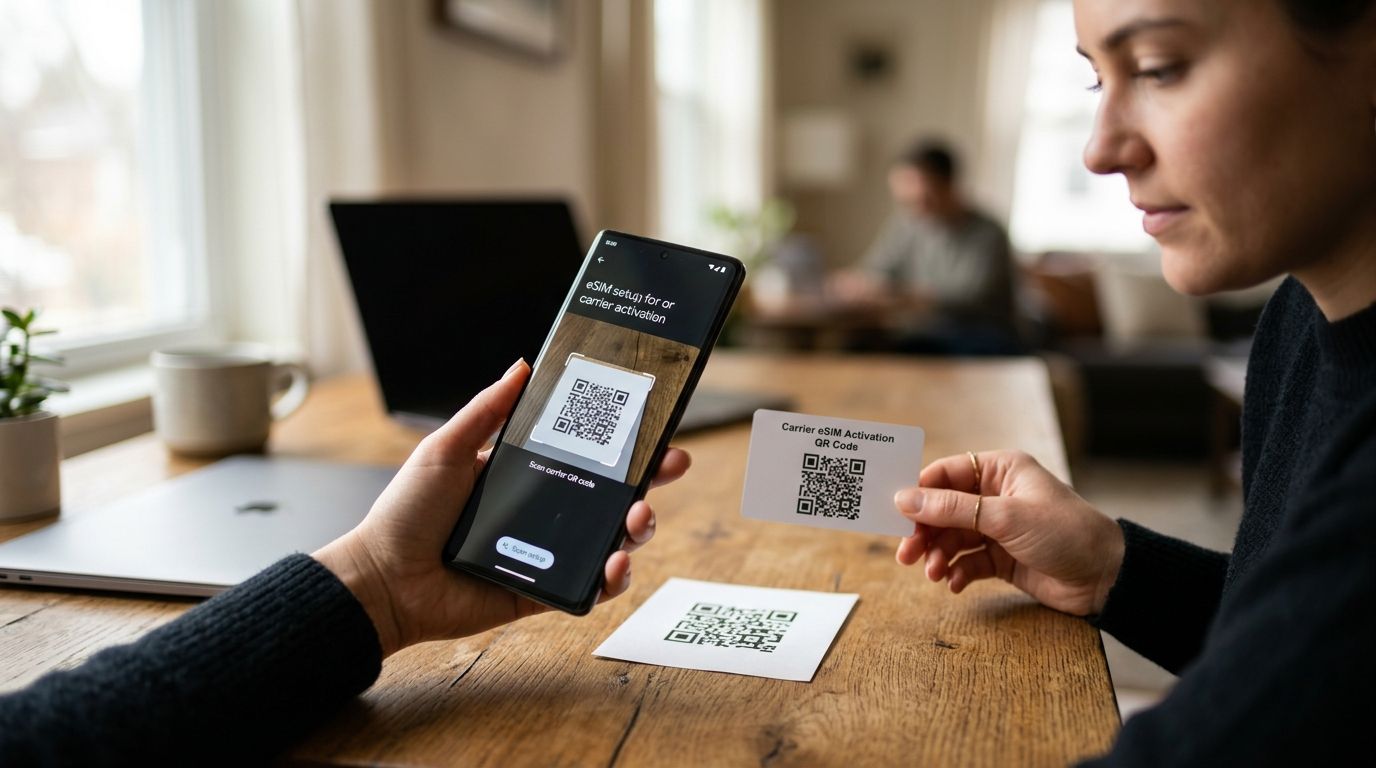
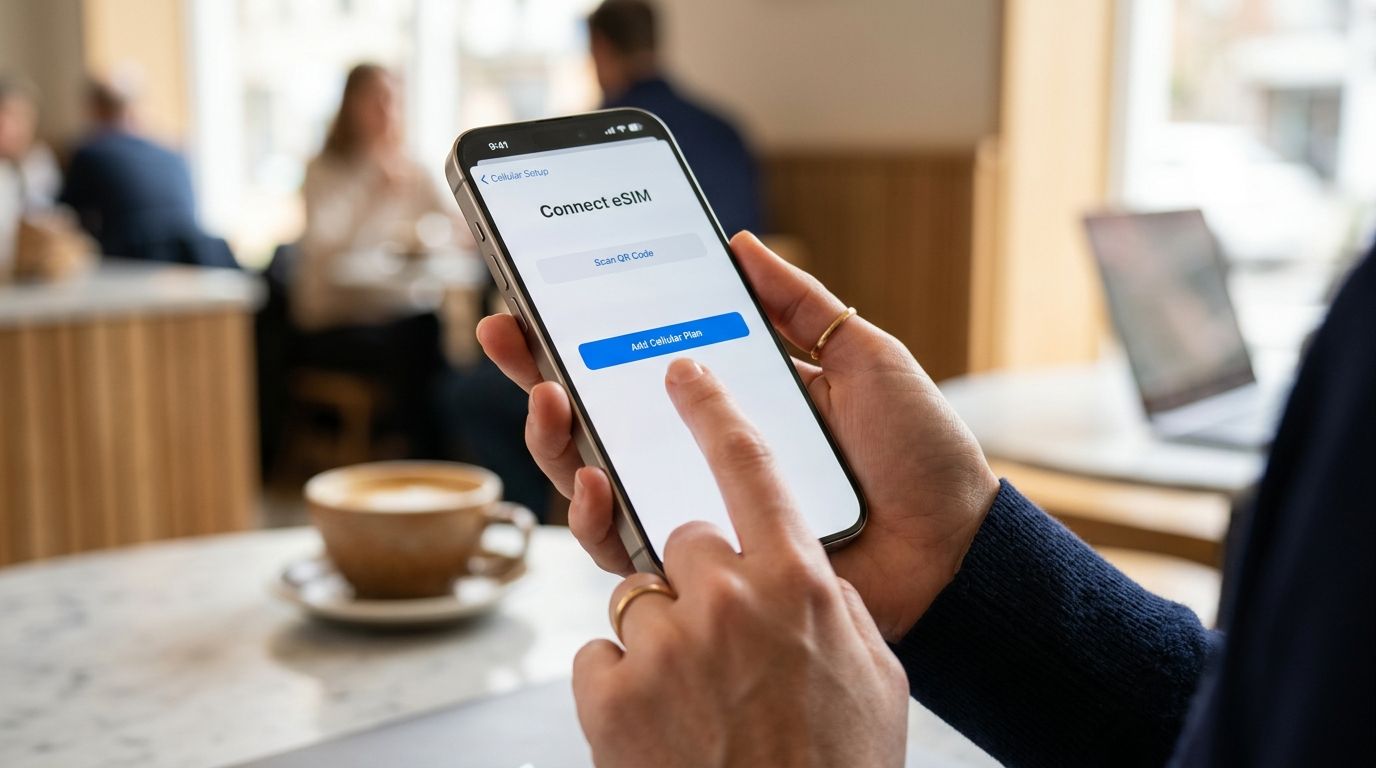
A lost SIM card or a dead phone during orientation week costs more than money — it costs the WhatsApp group, the housing office callback, the bank verification code. Students studying abroad in 2026 need connectivity that works the second the plane lands, not after a 45-minute queue at an airport kiosk. An A-sim eSIM installs from the app before departure, activates on arrival, and never requires cutting your home SIM out of the tray.
The difference between a physical SIM and an eSIM matters more for students than for any other traveler type. You're not just landing once — you're landing, then flying home for winter break, then maybe doing a weekend in a neighboring country. A digital passport that reconfigures itself in the app beats a plastic card every time.
What makes the best eSIM for students studying abroad
- Regional or single-country coverage that matches the actual program — a semester in one city needs different coverage than a multi-country exchange year
- In-app top-up so a data plan running low doesn't mean scrambling for a local shop mid-lecture
- Dual-SIM support to keep a home number alive for banking codes and family calls
- Install-before-departure activation so the eSIM is live the moment the plane lands, no airport wifi hunt
- No physical SIM swap, which matters when a student's home SIM is tied to a family plan or student discount back home
- App-based usage tracking so students on a fixed budget can watch data burn down in real time
At a glance
| Plan | Best for | Standout feature | Key limitation |
|---|---|---|---|
| A-sim Global eSIM | Multi-country exchange years | One plan across regions, no re-shopping per border | Broader coverage can mean less depth than single-country plans |
| A-sim Europe eSIM | Erasmus / EU exchange terms | One regional bundle instead of a SIM per country | Only useful if the whole term stays inside the covered zone |
| A-sim Japan eSIM | Single-country academic exchange in Japan | Built specifically for Japan's carrier network | Doesn't carry over to a side trip to Korea or Taiwan |
| A-sim USA eSIM | Full academic year in the United States | US-specific network optimization | Needs a separate plan for a study-abroad-then-backpack itinerary |
| A-sim UK eSIM | One-semester UK study terms | Fast in-app setup ahead of term start | UK-only, no EU mainland coverage |
| A-sim Australia eSIM | Exchange terms with internship placements | Dual-SIM friendly for local placement calls | Australia-only, doesn't extend to New Zealand legs |
1. A-sim Global eSIM: best overall esim for students studying abroad who travel mid-program
A-sim's Global plan is built for the student who isn't staying in one city for the whole term — winter break in a second country, a long weekend across a border, a graduation trip after finals. It installs once from the app and works across the destinations it covers without a plan swap.
A-sim Global eSIM pros:
- Covers multi-country travel without buying a new SIM per stop
- Managed entirely from the app: install, track usage, top up
- Keeps the home SIM active in the second slot for calls and verification codes
A-sim Global eSIM cons:
- Broader regional coverage can trade off against the deeper depth of a single-country plan
- Requires an eSIM-compatible unlocked device — older or carrier-locked phones won't work
Best for: students whose program includes travel between countries, not just one host city. Verdict: Buy.
2. A-sim Europe eSIM: best esim for Erasmus and EU exchange programs
Students on Erasmus or an EU exchange term rarely stay in one country for the whole 2026 academic year — a term in Lyon might include a weekend in Barcelona and a research trip to Berlin. The A-sim Europe eSIM is built around that pattern, covering the region under one bundle instead of one SIM per border crossed.
A-sim Europe eSIM pros:
- One regional plan instead of juggling country-specific SIMs
- Fast reactivation in the app when crossing into a new covered country
- No physical SIM tray access needed at any border
A-sim Europe eSIM cons:
- Only useful if the exchange term stays inside the covered EU zone
- A student who also flies outside Europe mid-term will need a second plan for that leg
Best for: Erasmus students and EU exchange terms with intra-region travel. Verdict: Buy.
3. A-sim Japan eSIM: best esim for a single-semester exchange in Japan
Japan's mobile network setup rewards a country-specific plan over a generic Asia bundle — carrier compatibility and network reliability inside Japan matter more than roaming range. The A-sim Japan eSIM installs from the app before the flight and activates on landing, which matters on orientation day when a working number is needed for dorm check-in and bank account setup.
A-sim Japan eSIM pros:
- Built specifically for Japan's network rather than a broad Asia-Pacific bundle
- Activates before departure so day one in Tokyo or Osaka isn't spent finding wifi
- Top-up handled in-app if the semester runs longer than the initial plan
A-sim Japan eSIM cons:
- Doesn't extend to a side trip to Korea or Taiwan without a separate plan
- Students switching host cities mid-term should confirm coverage before relying on it exclusively
Best for: a single academic term based in one Japanese city. Verdict: Buy.
4. A-sim USA eSIM: best esim for a full academic year in the United States
A full year in the US means a data plan needs to hold up across seasons, not just an orientation week. A-sim's US-specific eSIM is optimized for domestic network coverage rather than a broad North America bundle, which matters for a student settling into one campus for two semesters.
A-sim USA eSIM pros:
- Optimized for US carrier networks rather than a generic regional bundle
- Dual-SIM setup keeps a home number live for family calls and 2FA
- App-based top-up avoids a mid-semester dead-data scramble
A-sim USA eSIM cons:
- US-only, so a spring break trip to Canada or Mexico needs a separate plan
- Coverage depth depends on the specific region of the US the campus sits in
Best for: international students enrolled for a full US academic year. Verdict: Buy.
5. A-sim UK eSIM: best esim for one-semester UK study terms
A one-semester UK exchange doesn't need the overhead of a multi-country plan. The A-sim UK eSIM sets up fast in the app ahead of term start, which matters when move-in week is already packed with housing paperwork and student ID processing.
A-sim UK eSIM pros:
- Quick app-based setup before term start
- No EU-wide coverage cost for a plan that only needs UK cities
- Dual-SIM keeps a home number active alongside the UK number
A-sim UK eSIM cons:
- UK-only, no EU mainland coverage if the term includes a continental trip
- Less useful for students combining a UK term with wider European travel
Best for: single-term UK exchange students who aren't traveling onward to mainland Europe. Verdict: Buy.
6. A-sim Australia eSIM: best esim for exchange terms with internship placements
Students combining a study term with a local internship placement in Australia need a number that works for both the university and the workplace. A-sim's Australia plan runs dual-SIM alongside a home number, so placement supervisors and family both reach the same phone.
A-sim Australia eSIM pros:
- Dual-SIM setup supports both academic and internship contacts on one device
- App-managed top-up during a longer placement term
- Install-before-arrival activation for orientation day
A-sim Australia eSIM cons:
- Australia-only, doesn't extend to a New Zealand leg of the trip
- Students on a shorter exchange (under a month) may not need the full term's data allowance
Best for: exchange terms that pair coursework with a local internship placement. Verdict: Buy.
“A digital passport works itself out the moment you land — no kiosk, no queue, no cut-up home SIM.”
How we ranked
Each plan above is scored against the six criteria listed earlier: coverage match to the actual program, in-app top-up, dual-SIM support, pre-departure activation, no physical swap, and real-time usage tracking. Plans that only satisfy some of those criteria dropped to a narrower "best for" slot instead of the overall pick.
Which eSIM should you choose?
For most students studying abroad in 2026, the A-sim Global eSIM is the default pick — it covers the actual pattern of a study-abroad year: one host city, plus breaks, plus the occasional weekend across a border. Students locked into one country for the full term without cross-border travel should pick the matching single-country plan instead: Europe for Erasmus, Japan, the USA, the UK, or Australia. Either way, install the eSIM from the app before departure so it's live the second the plane touches down.
FAQ
What is the best esim for students studying abroad in 2026?
The A-sim Global eSIM is the best overall pick for students studying abroad in 2026 because it covers travel between countries during a program, not just one host city. Students staying in a single country all term get better depth from that country's specific A-sim plan.
Is an eSIM better than a local SIM card for students abroad?
An eSIM installs from the app before departure and activates on arrival, avoiding the airport kiosk queue a physical SIM requires. It also keeps a home number active in the second SIM slot, which a swapped physical card can't do.
Do I need two eSIMs if I'm studying in more than one country?
Not with a regional plan like A-sim Europe eSIM, which covers multiple EU countries under one bundle. A student traveling outside that region mid-term needs a second, separate plan for that leg.
Can I keep my home phone number active while using a student eSIM abroad?
Yes, every A-sim eSIM plan is designed for dual-SIM devices, so the home number stays active in one slot for calls and verification codes while the eSIM handles data abroad.
How much data do students studying abroad actually need?
Data needs vary by program length and usage habits, so the exact allowance depends on the plan selected in the A-sim app. Real-time usage tracking in the app lets students top up before running out rather than guessing in advance.
Does my phone need to be unlocked to use a student eSIM?
Yes, the device needs to be eSIM-compatible and unlocked from any carrier restriction. Most phones sold in the last few years support eSIM, but it's worth checking the specific model before departure.
Can I top up my eSIM data plan while abroad?
Yes, A-sim plans are topped up directly in the app, so a data plan running low mid-semester doesn't require finding a local shop or carrier store.
Should I install my student eSIM before or after I land?
Install it before departure while still on home wifi, so it's already active the moment the plane lands. Waiting until arrival means hunting for airport wifi just to get connected.
One last thing
Install the eSIM the night before the flight, not at the gate. Activation and network registration take a few minutes on wifi, and doing it under airport departure-lounge wifi with a slow queue behind you is the wrong time to find out a plan didn't provision correctly.