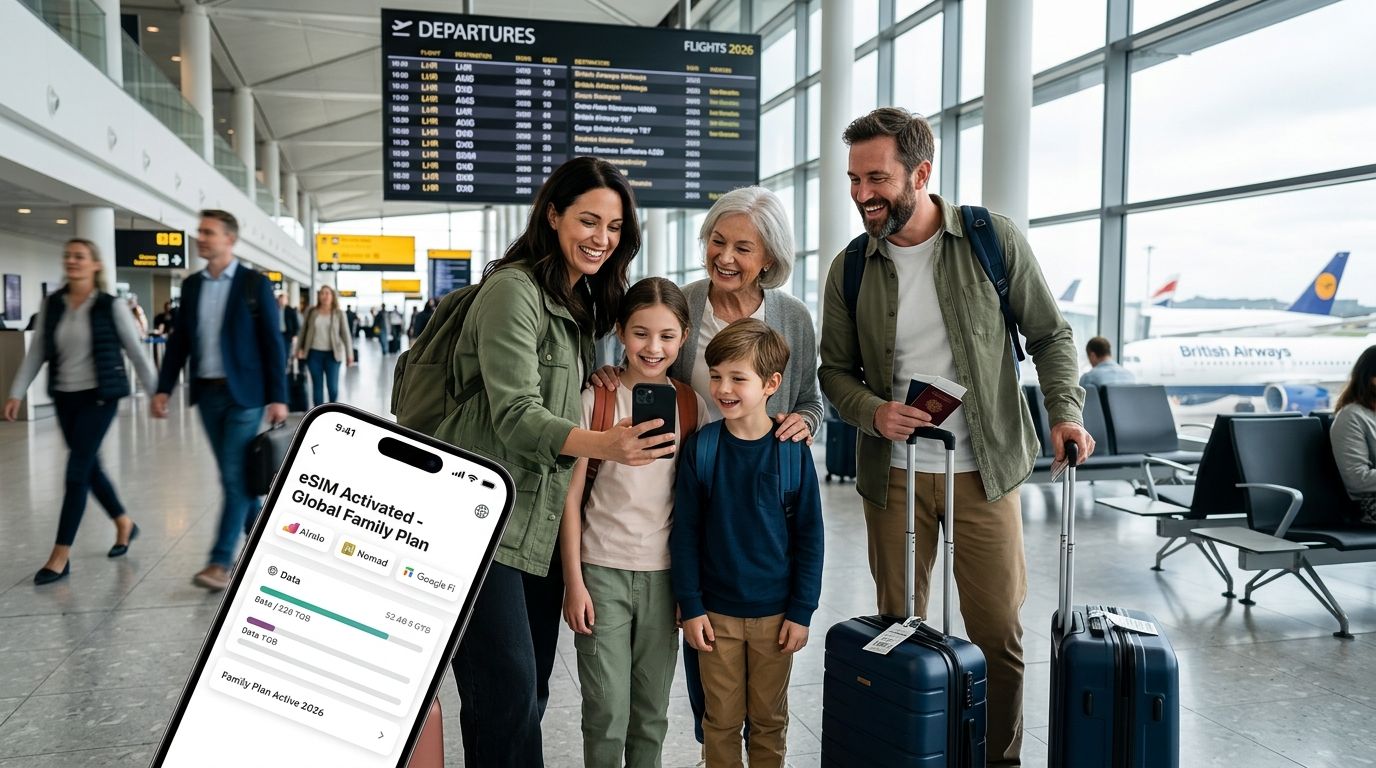
A-sim's Global eSIM is the best overall pick for family travel in 2026, built for trips that cross three or more borders under one profile. A-sim's Regional eSIM wins for families touring a single continent, and the Single-country eSIM is the tightest fit for a one-destination vacation. The A-sim app handles setup, usage tracking, and top-up for every phone in the family from a single account.
- A-sim Global eSIM is the best esim for family travel crossing 3+ countries in one trip.
- A-sim Regional eSIM (Europe) fits families touring one continent without border-hopping hassle.
- A-sim Single-country eSIM suits a one-destination vacation like Japan, the USA or Canada.
- Every family member's data and top-up is managed from the same app in 2026, no store visits.
Why this matters
A family of four traveling abroad in 2026 usually means four phones, four roaming rates, and at least one kid asking to use maps the second the plane lands. Buying a local SIM at every stop means four separate queues, four separate setups, and no way to see who used what data until the bill arrives.
An eSIM swaps that whole process for a digital profile installed before departure. The real question for a family trip isn't "which eSIM brand is best" in the abstract — it's which plan shape matches how your family actually moves through a country or a region.
What makes the best eSIM for family travel
- Coverage that matches the itinerary — one country, one region, or a full multi-country loop
- Per-device management so each phone gets its own allowance and its own top-up
- One-tap install through the app or website, no SIM shop, no store visit
- Usage visibility so parents can see which device is burning through data
- In-app top-up that works from the hotel room, not just from a local vendor
At a glance
| Plan | Best for | Standout feature | Key limitation |
|---|---|---|---|
| A-sim Global eSIM | Multi-country family itineraries | One profile covers the whole route | Overkill for a single-destination trip |
| A-sim Regional eSIM (Europe) | Families touring one continent | Shared data pool across the region | Stops working the moment you leave the region |
| A-sim Single-country eSIM (Japan) | One-destination family vacations | Data sized for one country's network | Needs a new plan if the trip adds a second country |
| A-sim Cruise eSIM | Family cruises with port stops | Built for ship-to-shore switching | Less useful for land-only trips |
1. A-sim Global eSIM: best for multi-country family road trips
A-sim's Global eSIM installs once, before you fly, and stays active as the family crosses borders on a multi-stop itinerary. Every phone connects through the same app, so parents manage usage and top-up for the whole group without re-installing anything at each new country.
A-sim Global eSIM pros:
- One setup covers the entire route, no swapping profiles at each border
- Top up mid-trip without hunting for a local store
- All family devices tracked from the same account
A-sim Global eSIM cons:
- More coverage than you need if the trip stays in one country
- Data pool is built for breadth, not tuned to a single network
Best for: families hopping between three or more countries on the same trip. Verdict: Buy — if the itinerary crosses borders, this is the one to set up before you fly.
2. A-sim Regional eSIM: best for families touring one continent
The eSIM for Europe plan handles a two-week loop through several countries in the same region without a new setup at each stop. It's built for the trip shape most European family vacations actually follow — Paris one week, Rome the next.
A-sim Regional eSIM pros:
- One install handles an entire multi-country region
- Each phone keeps the same network policy across borders
- Usage stays visible in one app for the whole trip
A-sim Regional eSIM cons:
- Doesn't help once the trip leaves the region
- A side trip outside the region needs a separate plan
Best for: a European family tour hitting four or five countries in one trip. Verdict: Buy — matches how most family Europe trips actually move.
3. A-sim Single-country eSIM: best for one-destination family vacations
The eSIM for Japan plan is sized for a single country's network, installed through the app before the flight lands. The whole family is online the moment the plane touches down at Narita or Haneda, with no other country on the itinerary to account for.
A-sim Single-country eSIM pros:
- Data allowance matched to one country, no unused regional buffer
- Simple to explain to kids: one country, one plan
- Fast install through the app before boarding
A-sim Single-country eSIM cons:
- Needs a fresh plan if the trip extends to a neighboring country
- Not built for multi-stop itineraries
Best for: a 10-day family trip to Japan, the USA, Canada, Mexico, the UK or Australia with no other stops. Verdict: Buy — the tightest fit when the whole trip stays in one country.
4. A-sim Cruise eSIM: best for family cruises
The eSIM for cruise trips plan is built around the way a cruise itinerary actually moves — a new country's port every day or two, sometimes three in a week. Coverage switches with the ship's stops instead of requiring a new local SIM at every dock.
A-sim Cruise eSIM pros:
- Handles the constant border-crossing built into a cruise route
- Keeps the whole family connected at each port without a local SIM hunt
- Managed through the same app as any other A-sim plan
A-sim Cruise eSIM cons:
- Coverage at sea depends on the ship's own connectivity, not the eSIM
- Less relevant for a land-only trip
Best for: a family cruise with multiple port stops across different countries in one week. Verdict: Buy — matches the way cruise itineraries actually cross borders.
How we ranked these
Each plan was scored against the criteria above: whether coverage matches the itinerary shape, whether each device gets its own visible allowance, how fast the install is, and whether top-up works from inside the app. None of these plans is a universal winner — the ranking reflects which trip pattern each one fits, not a single best-for-everyone pick.
“If your family crosses more than one border, one global eSIM beats juggling three separate ones.”
Which eSIM should your family choose?
Start with the itinerary, not the brand. Three or more countries on the trip means the A-sim Global eSIM. One region, like a European loop, means the A-sim Regional eSIM. One country and nothing else means the A-sim Single-country eSIM. A cruise with port stops means the A-sim Cruise eSIM.
For most families setting up an eSIM for the first time in 2026, the Global eSIM is the safer default — it doesn't run out of coverage mid-trip if plans change at the last minute.
Set up your family's eSIM
Install every family member's plan through the app before you fly.
FAQ
What is the best esim for family travel in 2026?
A-sim's Global eSIM is the best pick for families crossing three or more countries in one trip, since it covers the whole route under one profile. Families staying in one region or one country get a closer fit from the Regional or Single-country plan instead.
Can multiple family members share one eSIM plan?
Each family member's phone needs its own eSIM installed, but every device can be managed and topped up from the same A-sim app. This keeps usage visible per phone instead of pooling everyone onto one connection.
Do all family phones need to be eSIM compatible?
Yes, each device needs eSIM support to install a plan. Most iPhones from the XS onward (2018) and most Android flagships since around 2019 support eSIM, but it's worth checking older family phones before the trip.
Is a global eSIM better than separate local eSIMs for a multi-country family trip?
For an itinerary crossing three or more borders, a single global eSIM is simpler because it avoids reinstalling a new profile at every stop. A single-country eSIM makes more sense when the whole trip stays in one destination.
How do you install an eSIM on a family member's phone?
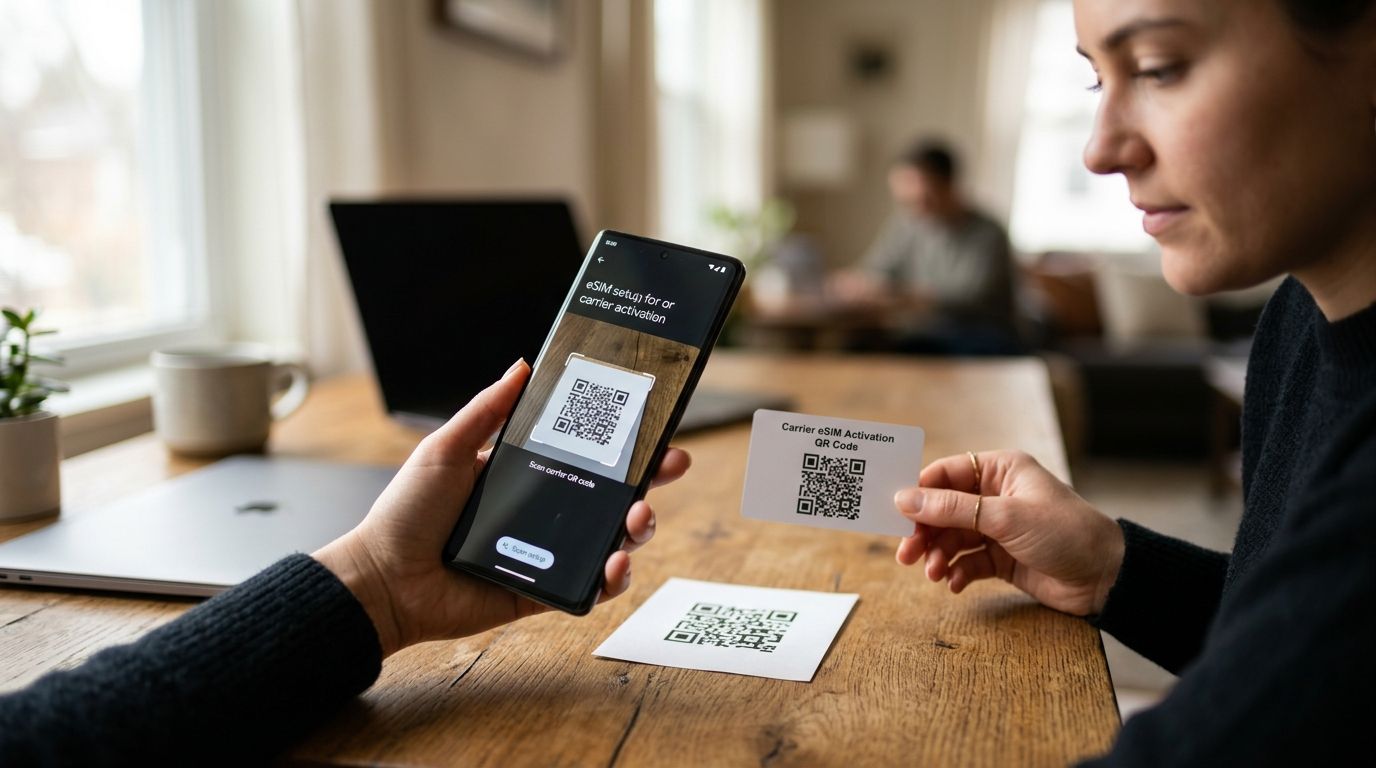
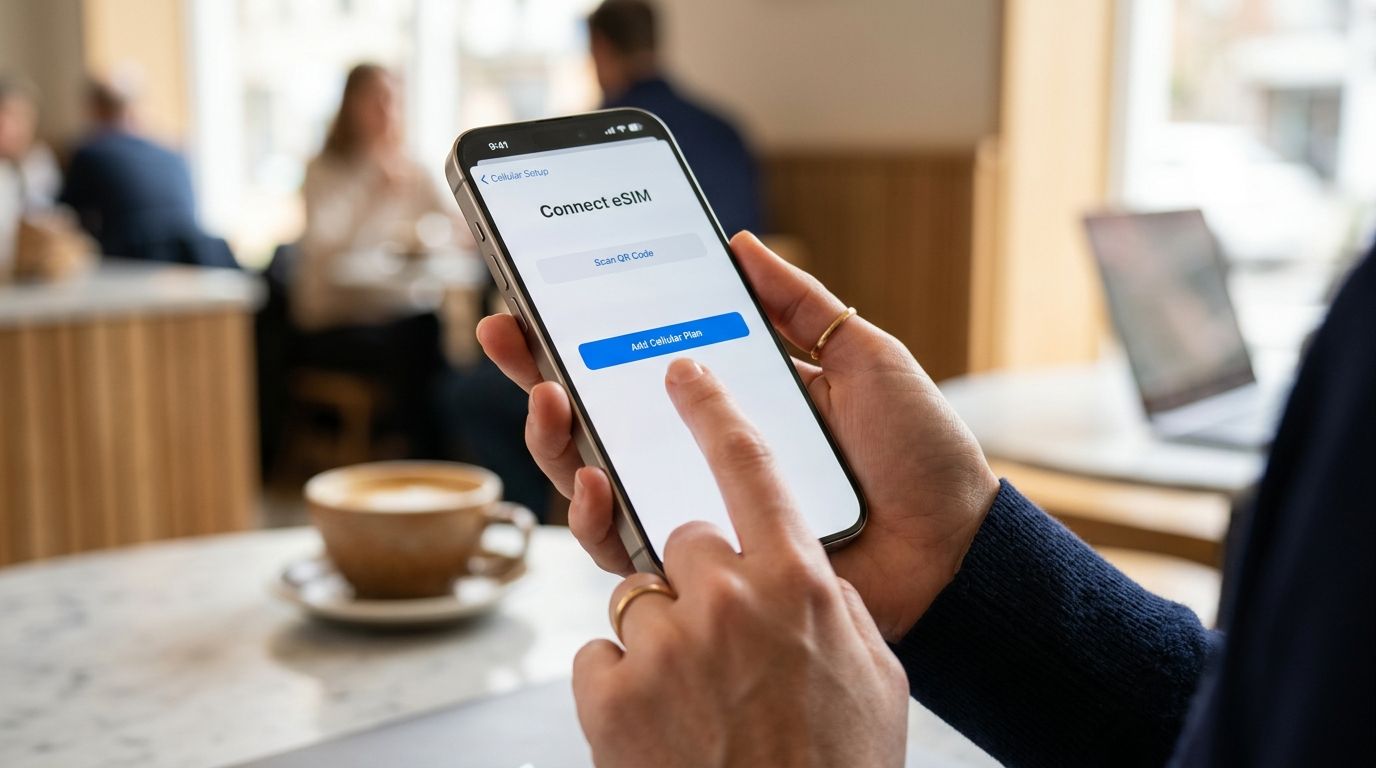
Installation happens through the A-sim app or website with a single tap, before or after arrival. No physical SIM card or store visit is needed for any device in the family.
Can you top up eSIM data while traveling?
Yes, top-up happens directly in the app, so a family can add data mid-trip without finding a local shop. This matters most on multi-stop itineraries where data needs shift day to day.
Does an eSIM work on a cruise ship?
A cruise-specific eSIM plan is built for the port-to-port connectivity pattern of a cruise itinerary. Coverage at sea still depends on the ship's own connection, not the eSIM itself.
What happens if a family member's phone doesn't support eSIM?
A phone without eSIM support can't install any of these plans and will need a traditional SIM or local roaming option instead. Checking device compatibility before the trip avoids this problem at the airport.
One last thing
Most family eSIM problems in 2026 aren't about coverage — they're about one overlooked phone. An older handset still running hardware from before 2018 may not support eSIM at all, so check every family member's device before departure, not after landing at the destination.