Comparing eSIM plans by sticker price alone gets travelers the wrong plan more often than not — cost per GB and cost per day of actual coverage decide whether a plan is cheap or expensive once you land. This guide ranks travel eSIMs by price efficiency across five plan types for 2026 trips, not just the number on the checkout screen.
- Regional eSIM plans win esim ranked by price for most multi-country trips in 2026 on cost per GB.
- Country-specific eSIMs are the cheapest per-day option when you're staying in one destination.
- Global eSIMs cost more per GB but skip the hassle of buying a new plan per country.
- Unlimited-data eSIMs fit business travelers who hotspot or stream daily; skip them for short leisure trips.
- Short-term 7-day eSIMs suit cruise stops and weekend trips where a full month of data goes unused.
Why this matters
eSIM pricing isn't standardized. One plan sells by total data (5GB flat), another sells by validity window (30 days unlimited), and a third bundles both. Ranking by list price alone hides which plan actually costs less once you factor in how many days you're traveling and how many countries you're crossing.
A-sim covers all three coverage shapes — global, regional, and single-country — through one app, so switching between plan types for different trips doesn't mean switching providers. That matters for the ranking below: the "best" plan changes depending on the trip, not the traveler.
What makes the best eSIM plan by price
- Cost per GB, not just the monthly sticker price
- Data validity window — plans typically run 7, 15, or 30 days
- Coverage footprint — single country, regional, or global
- Top-up flexibility — adding data mid-trip without buying a new plan
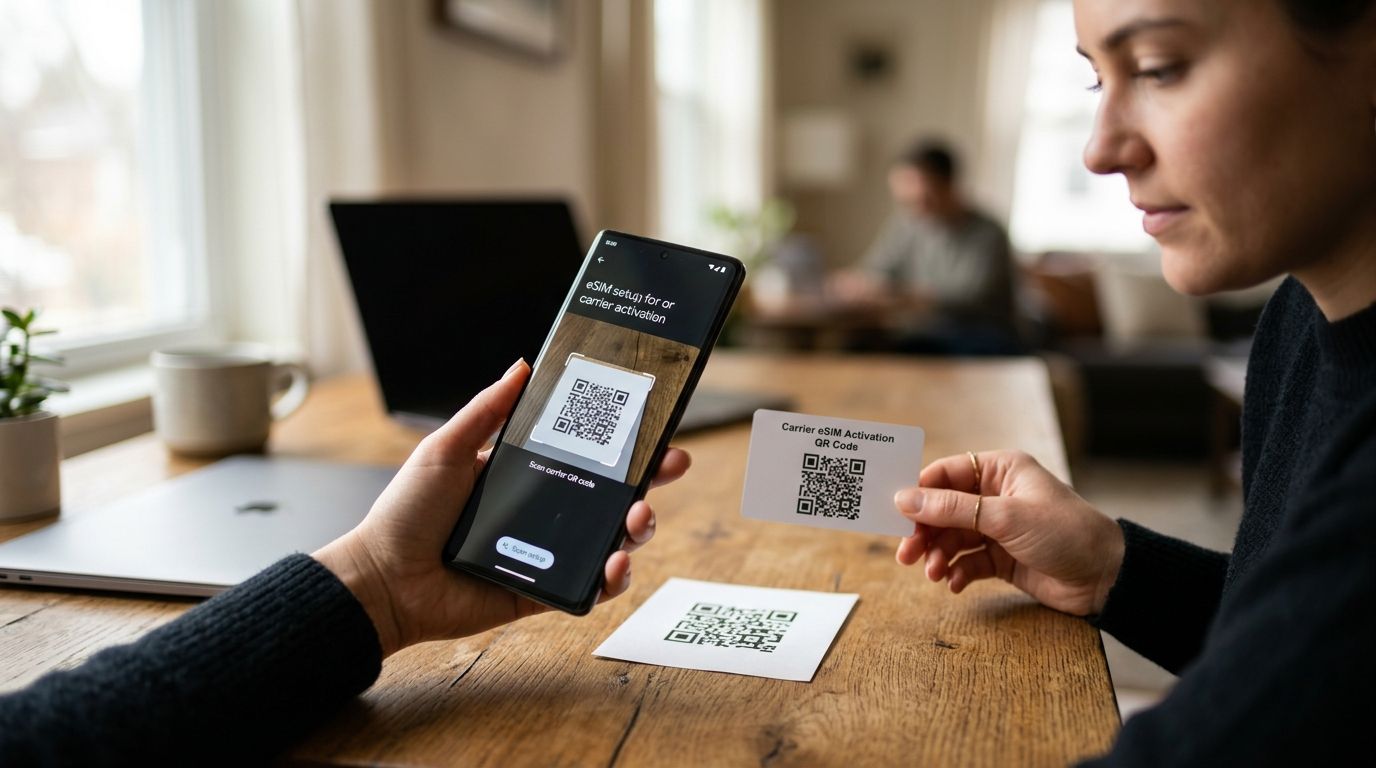
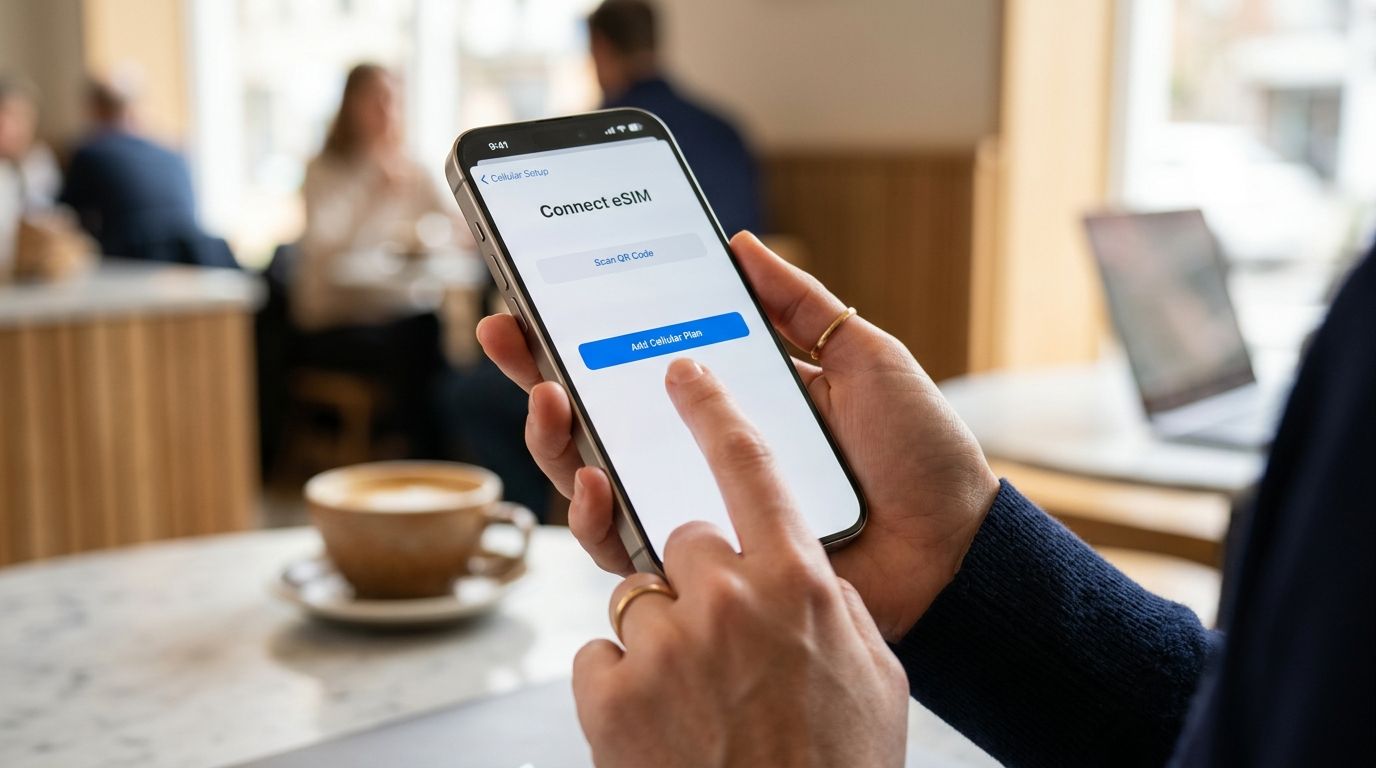
- Activation method — one-tap app install versus scanning a QR code
- Network partner quality in each country on the itinerary
The ranked verdict
Best overall for price efficiency: regional eSIM plans. Best for single-destination trips: country-specific eSIM. Best for multi-continent routes: global eSIM. Best for business travelers: unlimited-data eSIM. Best for short trips and cruise stops: 7-day eSIM.
At a glance
| Plan type | Best for | Standout feature | Key limitation |
|---|---|---|---|
| Country-specific eSIM | Single-destination trips | Lowest cost per day for one country | No coverage once you cross a border |
| Regional eSIM | Multi-country trips in one region | Best average cost per GB across a region | Doesn't cover countries outside that region |
| Global eSIM | Multi-continent trips, digital nomads | One plan works on every continent | Higher cost per GB than regional or country plans |
| Unlimited-data eSIM | Business travelers, heavy streamers | No data cap to watch mid-trip | Highest price tier of the five |
| Short-term eSIM (7-day) | Weekend trips, cruise stops | No unused data left over after a short trip | Runs out fast on longer itineraries |
1. Country-specific eSIM: best esim ranked by price for single-destination trips
A country-specific eSIM covers one destination only — Japan, the USA, or the UK, for example — and it's built for travelers who aren't crossing a border on this trip. Because the plan doesn't pay for roaming across a region, it's usually the cheapest option per day of coverage.
Country-specific eSIM pros:
- Lowest cost per day among the five plan types
- Simple to set up: pick the country, install, done
- No wasted data allowance for countries you're not visiting
Country-specific eSIM cons:
- Useless the moment you cross into a neighboring country
- Doesn't stack well for multi-stop itineraries
Best for: solo destination trips — a week in Tokyo, a conference in Chicago, a family visit in London.
Verdict: Buy if your itinerary is one country, start to finish.
2. Regional eSIM: best esim ranked by price for multi-country trips
A regional eSIM bundles coverage across a defined block of countries — Europe, Southeast Asia, or a similar cluster — under one data allowance. This is where price-per-GB usually beats every other option, because the plan spreads roaming costs across a group instead of pricing each border crossing separately.
Europe-focused regional plans typically span 25-30+ countries under a single eSIM. Southeast Asia regional plans commonly cover the 10 ASEAN countries. That range is exactly why regional plans post the best cost-per-GB numbers on this list: one install, one data pool, no re-shopping at every border.
Regional eSIM pros:
- Best average cost per GB across the ranking
- One install covers an entire multi-country route
- No need to buy a new plan at each border
Regional eSIM cons:
- Doesn't help if your trip leaves the region
- Data pools can run out faster on longer regional swings
Best for: a two-week Europe rail trip, a Southeast Asia backpacking loop, a regional business circuit.
Verdict: Buy — this is the default pick for most 2026 multi-country trips.
3. Global eSIM: best esim ranked by price for multi-continent routes
A global eSIM works across continents on one plan, which is the point — it trades a lower per-GB price for not having to manage multiple plans on a trip that spans, say, Southeast Asia and then Europe. Digital nomads are the clearest use case: constant movement across regions makes juggling country-specific or regional plans impractical.
Global eSIM pros:
- Works across continents without switching providers mid-trip
- One account, one top-up flow, wherever you land
- Removes the risk of landing somewhere with no active plan
Global eSIM cons:
- Highest cost per GB of the non-unlimited plans
- Overkill if your entire trip stays in one region
Best for: multi-continent itineraries and long-term remote work on the road.
Verdict: Consider it only when your route genuinely crosses continents — otherwise a regional plan wins on price.
4. Unlimited-data eSIM: best esim ranked by price for business travelers
An unlimited-data eSIM removes the data cap entirely, which matters for anyone hotspotting a laptop, joining video calls, or streaming daily. It sits at the top of the price ranking in absolute terms, but for heavy daily use it can still work out cheaper per GB than repeatedly topping up a capped plan.
Unlimited-data eSIM pros:
- No tracking data usage mid-trip
- Avoids surprise top-up purchases on high-use days
- Predictable cost for the whole trip length
Unlimited-data eSIM cons:
- Highest sticker price of the five categories
- Wasted spend for travelers who mostly use hotel or café Wi-Fi
Best for: business trips with daily video calls, hotspotting, or heavy uploads.
Verdict: Buy if you're working daily on the road. Skip it for a casual leisure trip.
5. Short-term eSIM (7-day): best esim ranked by price for weekend trips and cruise stops
A 7-day eSIM is built for trips shorter than a standard 15- or 30-day validity window. It's the right call for a long weekend or a cruise itinerary with short port stops, where a full month of data would go unused.
Short-term eSIM pros:
- No unused data allowance after a short trip
- Cheapest total spend for trips under a week
- Fast activation for last-minute travel
Short-term eSIM cons:
- Runs out fast if the trip extends
- Not cost-efficient for anything longer than 10 days
Best for: long weekends, quick business trips, cruise port days.
Verdict: Buy for trips under a week. Skip it for anything longer — a 15- or 30-day plan will be cheaper overall.
How we ranked these
Each plan type was scored against the six criteria above: cost per GB, validity window, coverage footprint, top-up flexibility, activation method, and network partner quality. Regional plans topped the list because they post the lowest average cost per GB while still covering an entire multi-country route in one install — the combination that matters most for the phrase esim ranked by price.
“The cheapest eSIM on paper isn't the cheapest per GB once you check how many countries and days it actually covers.”
Compare eSIM plans in the app
Install in 1 tap and pick global, regional, or single-country coverage for your 2026 trip.
Which eSIM plan should you choose?
For most travelers planning a 2026 trip through more than one country in the same region, a regional eSIM is the default pick — it posts the best cost per GB on this list without forcing you to manage a separate plan per border. Staying in one country the whole trip flips that: go with a country-specific eSIM instead. Crossing continents, working daily on the road, or squeezing a trip into a long weekend each point to a different one of the remaining three — pick by trip shape, not by the lowest number on the page.
FAQ
What's the best eSIM ranked by price for 2026 trips?
Regional eSIM plans post the best average cost per GB for multi-country trips in 2026. Country-specific eSIMs are cheaper per day for single-destination travel.
Is a global eSIM better than a regional eSIM on price?
No — global eSIMs cost more per GB than regional plans. They're worth it only when your route crosses continents, not for trips staying inside one region.
How much data do I need for a two-week trip?
Data needs depend on usage, but most regional plans bundle several GB valid for 15 to 30 days, which covers maps, messaging, and moderate streaming for a two-week trip.
Is an unlimited-data eSIM worth it for a short trip?
Usually not. Unlimited-data eSIMs sit at the top price tier of the ranking, so they only pay off for daily heavy use like hotspotting or video calls, not a short leisure trip.
Can I top up an eSIM mid-trip instead of buying a new one?
Yes, most eSIM plans support adding data mid-trip through the app without a new install. Check top-up flexibility before buying if your trip length is uncertain.
Do country-specific eSIMs work if I cross a border?
No. A country-specific eSIM stops working the moment you enter a different country, which is why multi-country trips need a regional or global plan instead.
What's the cheapest eSIM option for a cruise?
A short-term 7-day eSIM is usually the cheapest fit for cruise stops, since it avoids paying for a full month of data you won't use across a few port days.
How do I install an eSIM on my phone?
Most eSIM apps support one-tap install directly from the app on iPhone or Android, without scanning a separate QR code, and usage can be managed from the same app.
One last thing
Check the network partner list before comparing price tags side by side — the same 5GB plan can route through a fast carrier in one country and a noticeably slower one in the next, and that detail never shows up in the sticker price.