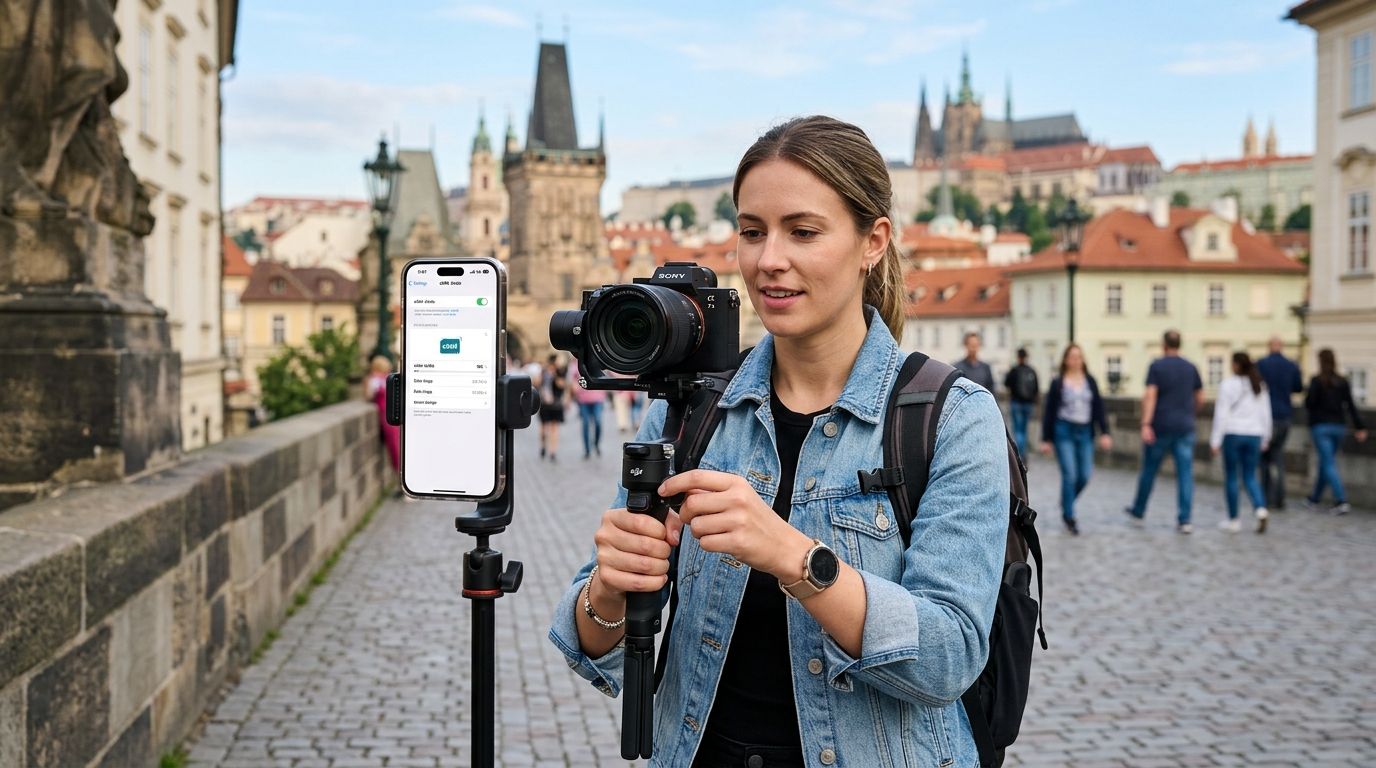
Content creator eSIM plans solve one specific problem: staying connected enough to upload footage, livestream, and manage collabs while filming in a country where your home carrier charges roaming fees per megabyte. Creators need higher data ceilings than the average tourist and faster activation than a local SIM card bought at an airport kiosk between flights.
- An esim for content creators should prioritize data volume over destination count — uploads and livestreams eat gigabytes fast in 2026.
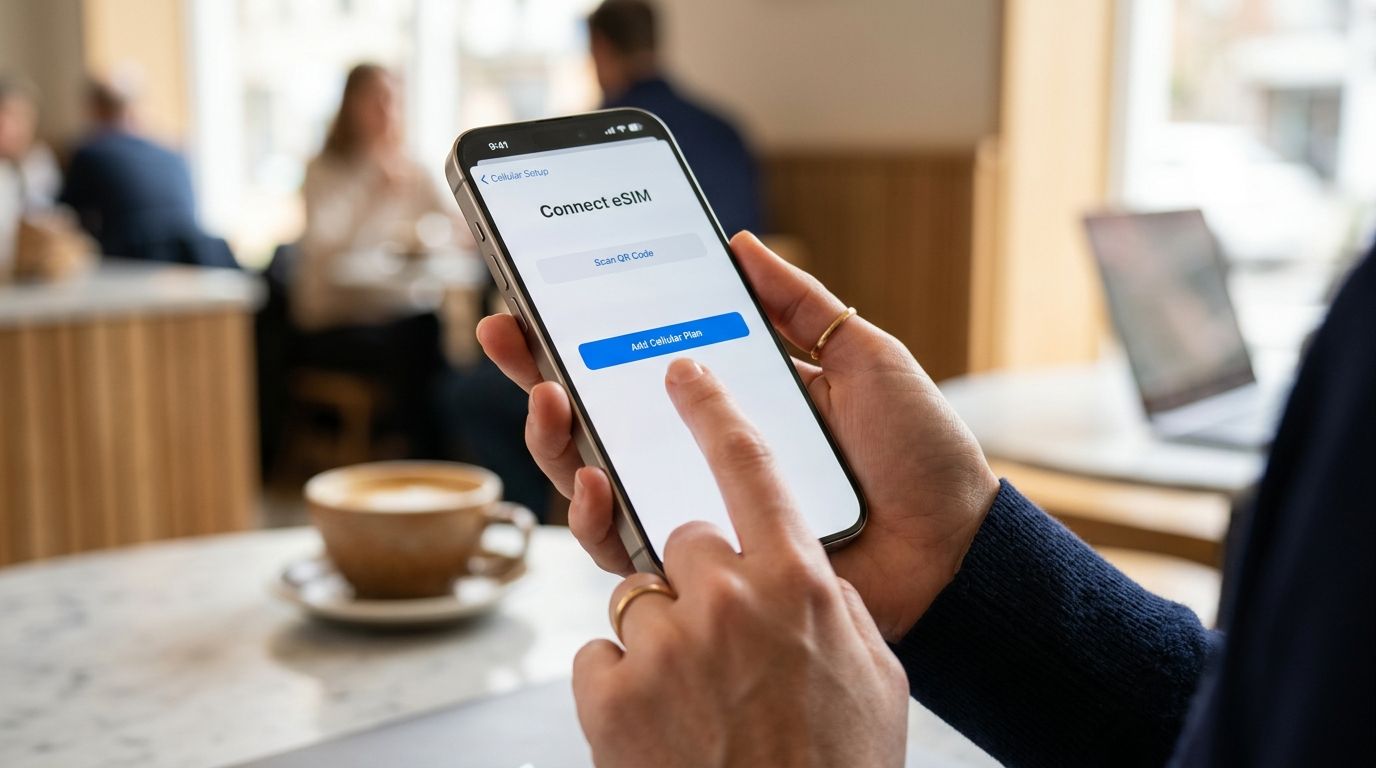
- A-sim installs in one tap from the app or website and keeps your home number active for verification codes and calls.
- Dual-connection setup (eSIM for data, physical SIM for your number) beats swapping SIMs mid-shoot every time.
- Regional and country-specific A-sim plans cover Japan, the USA, Canada, Australia, Mexico, Southeast Asia, Europe, and the UK without physical SIM swaps.
- Buying a bigger plan than you think you need costs less in frustration than running out of data during an upload window.
Why eSIM matters for content creators
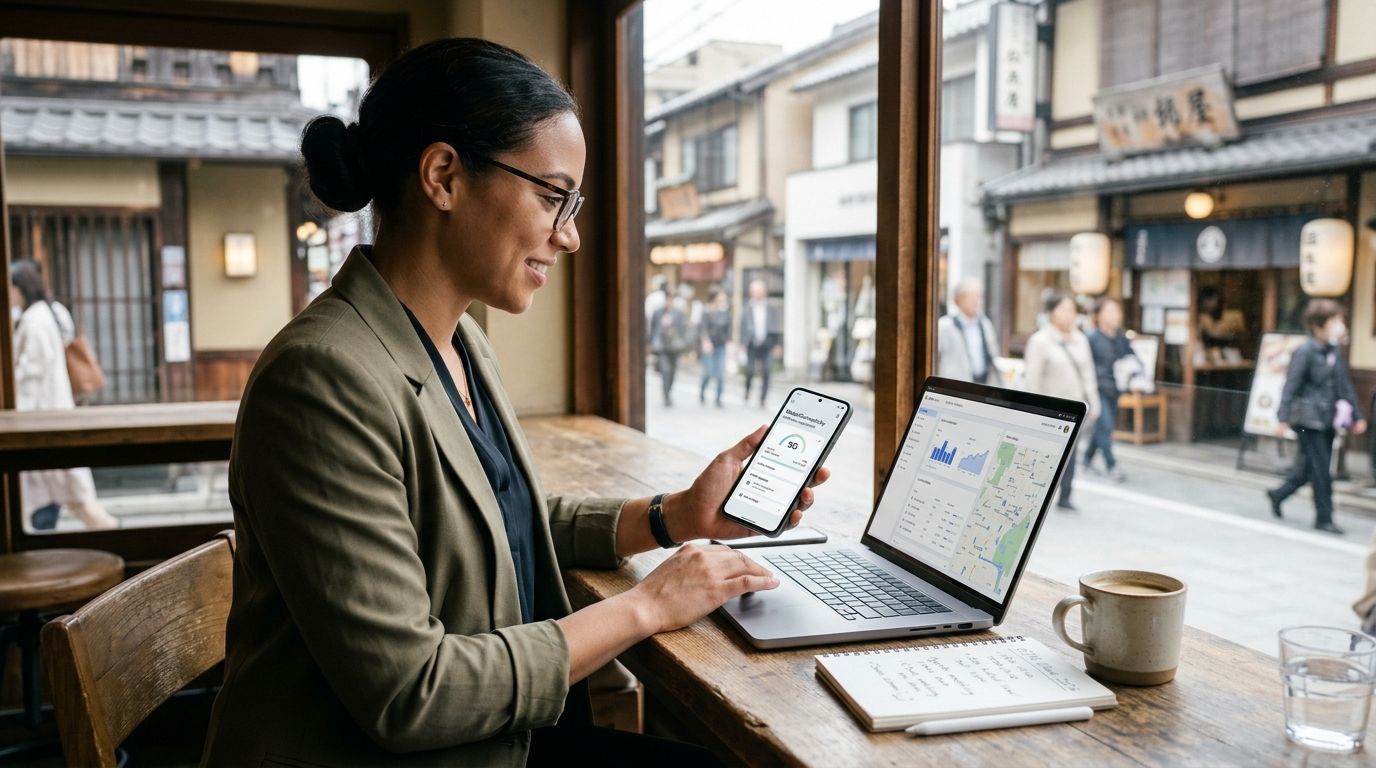
A content creator filming abroad has different connectivity needs than a vacationer checking email. You're uploading 4K clips to a shared drive, running a livestream from a hotel room, or pushing a reel to Instagram before the light changes. Local SIM shops require a passport, a store visit, and sometimes a local ID you don't have. An eSIM install happens from the app before you land, and that gap — hours saved versus a queue at an airport kiosk — is the entire pitch for anyone shooting on a schedule.
Creators also travel in bursts: three countries in ten days for a brand trip, or one city for a month-long residency. Fixed monthly carrier plans punish the first pattern with roaming fees; prepaid local SIMs punish the second with device swaps every border crossing. An esim for content creators needs to flex between both without you thinking about it mid-shoot.
Set up your device before you fly
- Confirm your phone is eSIM-compatible (most iPhones since XS, most Android flagships since 2019) before departure day, not at the gate.
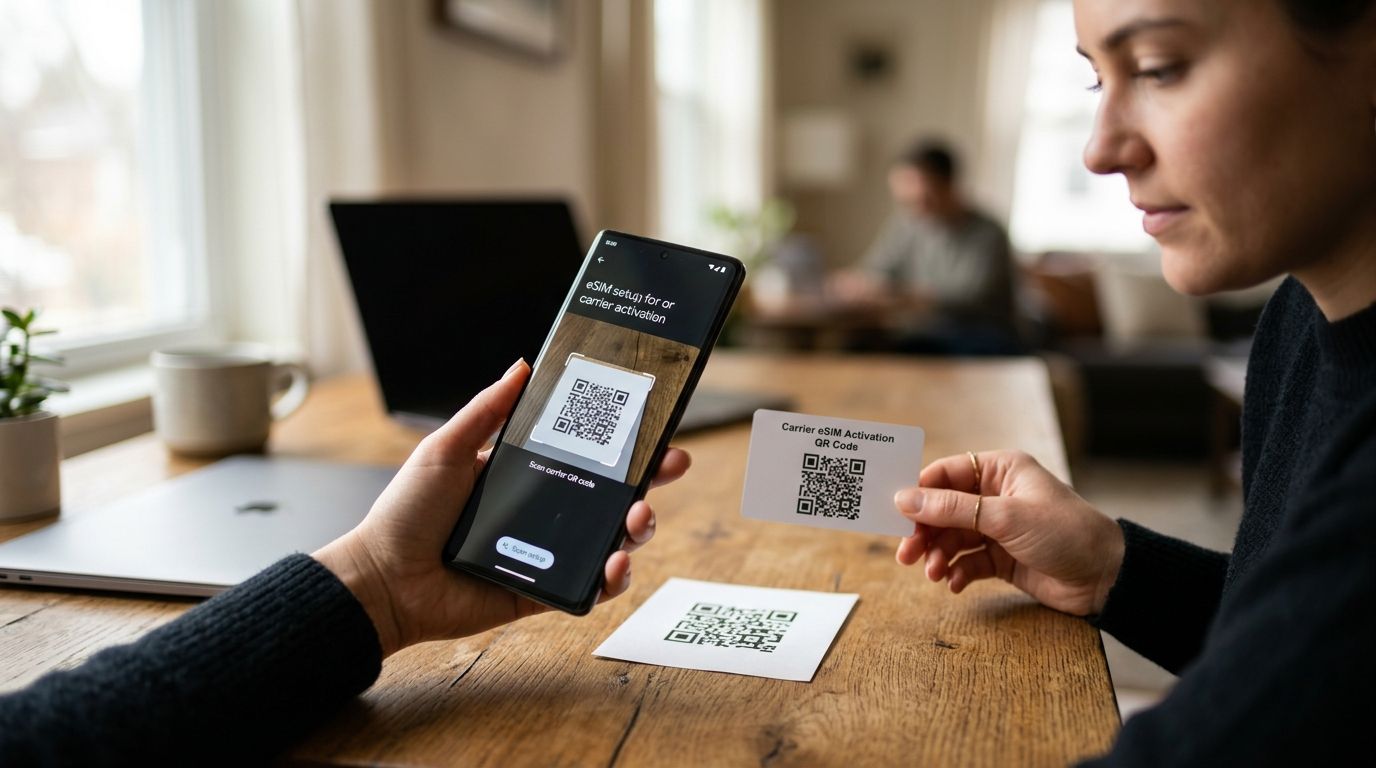
- Install the A-sim eSIM profile over hotel or home Wi-Fi — activation over cellular data alone can be flaky in some countries.
- Keep your physical SIM in the second slot so your home number still receives calls and two-factor codes.
- Label the eSIM line clearly in your phone's cellular settings so uploads route through the right connection.
- Test the connection once before you actually need it for a livestream — not during the livestream.
Pick data volume over destination count
Most travel eSIM marketing pushes country coverage. Creators should flip that priority and shop by gigabytes first.
- Estimate your daily upload volume from your last trip's camera roll, not a guess — footage is heavier than photos.
- Add 20-30% headroom for backup uploads to cloud storage, which run in the background and quietly burn data.
- Choose a regional plan (Europe, Southeast Asia) over single-country if your itinerary crosses borders more than once.
- Check whether the plan throttles speed after a data cap instead of cutting off entirely — throttled-but-connected beats a hard stop mid-upload.
- Compare per-day cost against a week of local SIM card top-ups, since local vendors often undercut on paper but nickel-and-dime with top-up fees.
Manage hotspot and tethering for your laptop
Editing on a laptop while filming means your phone often becomes the only internet source in the room.
- Confirm the plan explicitly allows hotspot/tethering — some budget travel eSIMs cap or block it entirely.
- Test hotspot speed before committing to an edit session; upload speed matters more than download for creators.
- Turn off automatic app updates and cloud syncs on the laptop before tethering, since they'll silently eat your data cap.
- Keep a second connectivity option (hotel Wi-Fi, coworking space) as backup for large export uploads.
- Monitor real-time usage through the A-sim app rather than guessing — most overage surprises come from not checking mid-trip.
Top up mid-trip without losing your line
Running out of data during a shoot day is the scenario every creator dreads.
- Set a usage alert at 70-80% of your plan so you're not caught at zero mid-upload.
- Top up directly through the app rather than searching for a new plan from scratch — it keeps the same number and settings.
- Buy a slightly larger top-up than the immediate need if your shoot day runs long; a partial top-up mid-shoot is worse timing than a full one beforehand.
- Keep the transaction inside the same app so your billing history and remaining balance stay in one place.
Protect your verification codes and business calls
Creators juggling brand deals need SMS codes and calls to keep working — losing your number mid-trip breaks logins for ad accounts, banking apps, and two-factor authentication.
- Keep your physical SIM active for calls and SMS; use the eSIM strictly for data.
- Check that your banking and social apps accept app-based 2FA instead of SMS before you fly, as a backup.
- Avoid swapping out your physical SIM for a local one just to save a few dollars — the account lockouts aren't worth it.
- Confirm with your home carrier that inbound SMS still works while roaming is off, since some carriers disable this by default.
Plan for multi-country shoots
Brand trips and travel series often mean three or four countries in two weeks.
- Use a regional eSIM (Europe, Southeast Asia) instead of buying a new country-specific plan at every border.
- Check plan validity windows — a 15-day regional plan covering five countries beats five separate 3-day country plans on cost and hassle.
- Reference country-specific guides like the Japan eSIM guide or Australia eSIM guide when a single destination anchors most of your shoot days.
- Build in one buffer day of extra data per leg for reshoots or extended stays — schedules slip, data plans shouldn't.
Set up your travel eSIM before you fly
Install in one tap from the app and keep your number active for codes and calls.
Comparison: connectivity options for creators filming abroad
| Option | Best for | Key limitation |
|---|---|---|
| Travel eSIM (A-sim) | Multi-day and multi-country shoots needing app-based data control | Requires an eSIM-compatible device |
| Local physical SIM | Single-country, month-long stays with a known local carrier | Requires a store visit, passport, and a device slot swap |
| Home carrier roaming | Short one-day stops, minimal data use | Per-megabyte roaming charges add up fast on video uploads |
| Public Wi-Fi only | Editing in hotels or cafes with no live upload needs | Unreliable for livestreams, security risk on shared networks |
Common mistakes content creators make
- Buying data volume for a vacation, not a shoot. A weekend traveler's plan runs out by day two of daily 4K uploads.
- Swapping the physical SIM out entirely. This kills verification codes for ad platforms and payment apps mid-trip, at the worst possible moment.
- Ignoring hotspot restrictions. Some cheap eSIM plans quietly throttle or block tethering, which kills laptop-based editing workflows.
- Waiting to activate at the airport. Activation over spotty airport Wi-Fi eats travel time you don't have between a flight and a shoot call time.
- Not checking regional coverage before a multi-country trip. Buying five separate country plans costs more in setup time than one regional plan.
FAQ
What's the best eSIM for content creators filming abroad in 2026?
The best eSIM for content creators in 2026 is one with a high data allowance, hotspot support, and app-based top-ups, since livestreaming and 4K uploads burn data faster than typical tourist plans. A-sim's regional and country plans cover this with one-tap installs from the app.
Is an eSIM better than a local SIM card for filming trips?
An eSIM is generally better for short and multi-country shoots because it activates before you land and doesn't require a store visit or ID check. A local physical SIM can work out cheaper only for stays of a month or longer in one country.
Can I use an eSIM as a hotspot for laptop editing?
Yes, most travel eSIM plans support hotspot and tethering, but confirm this before buying since some budget plans block or throttle it. Check the plan details in the app before you rely on it for an editing session.
Will I lose my phone number if I switch to an eSIM for data?
No, keeping your physical SIM active alongside the eSIM preserves your number for calls and SMS verification codes. Use the eSIM strictly for data and the physical SIM stays untouched.
How much data do content creators need per day while filming abroad?
Daily data use depends heavily on whether you're uploading raw 4K footage, livestreaming, or just posting edited clips, so estimate from your last trip's actual usage rather than a generic number. Add 20-30% headroom for background cloud backups you might forget are running.
Can I top up my eSIM mid-trip without buying a new plan?
Yes, top-ups run through the app and keep your existing number and settings intact. Set a usage alert at 70-80% of your plan so you top up before you hit zero mid-upload.
Does an eSIM work for multi-country shoots in one trip?
Regional eSIM plans cover multiple countries under one profile, which beats buying a new country-specific plan at every border. Check the plan's validity window against your itinerary length before booking.
Do I need a new eSIM for every country I film in?
Not if you choose a regional plan covering the countries on your itinerary; single-country plans only make sense when one destination anchors most of your shoot days.
One last thing
The detail creators skip most often isn't data volume — it's testing the hotspot connection before the first shoot day, not during it. A connection that installs fine but throttles tethering silently kills a laptop editing session at the worst possible moment, and by the time you notice, the upload window has already passed.