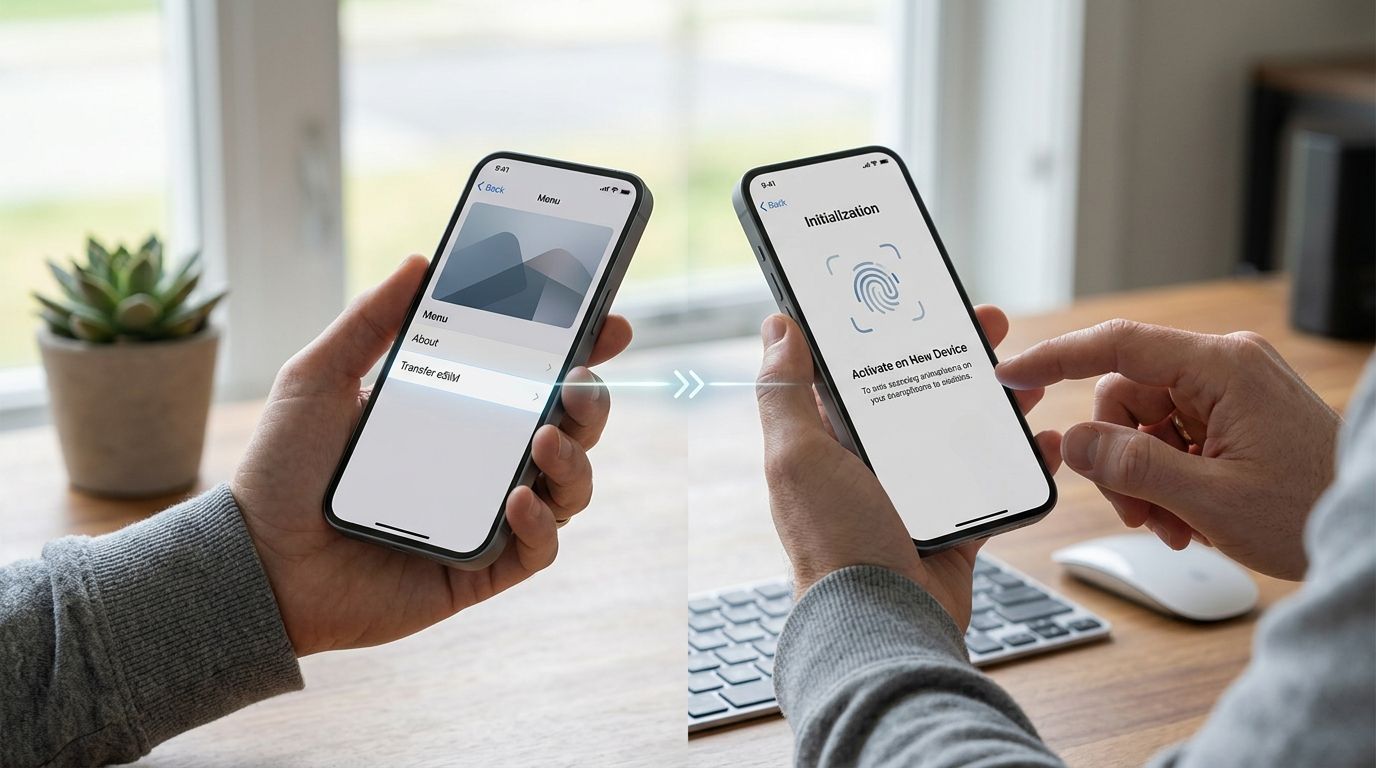
eSIM cost in 2026 is not one fixed price — it moves with how much data you buy, which country or region the plan covers, and how many days you need it active. The number that actually swings your bill is data allowance, not the eSIM format itself: a capped short-trip pass and an unlimited monthly pass sit at opposite ends of the same provider's lineup, and picking the wrong tier is the hidden cost most travelers miss.
- eSIM cost in 2026 scales with data allowance, region coverage, and plan length, not a single fixed price.
- Single-country eSIM plans generally cost less than regional or global passes covering many destinations.
- Unlimited data eSIM plans cost more upfront than capped GB passes but remove overage guesswork.
- A-sim lets you top up data mid-trip through the app instead of buying a fresh eSIM plan from scratch.
- Global and round-the-world eSIM coverage costs more per GB than a single-country pass because of wider network partnerships.
Why this matters
Roaming fees from your home carrier are usually charged per day or per MB used abroad, and that meter runs whether you're on a call, streaming a map, or just letting apps refresh in the background. A-sim eSIM plans work differently: you choose the data and region upfront, install the eSIM in one tap, and know your ceiling before you land.
That structure is why "how much does an eSIM cost" doesn't have a single answer in 2026 — the real question is which plan shape matches your trip. A weekend in one country needs a different pricing structure than six weeks moving through Southeast Asia.
How much does an eSIM cost in 2026?
The honest answer: it depends on four variables working together — destination scope, data volume, plan duration, and whether the plan caps data or runs unlimited. Here's how the main plan types compare on those variables, not on a dollar figure that changes by provider and route:
| Plan type | Coverage | Data structure | Best for |
|---|---|---|---|
| Single-country eSIM | One destination only | Fixed GB tiers | A single-country vacation or business trip |
| Regional eSIM | Multiple countries in one region (e.g. Europe, Southeast Asia) | Shared data pool across the region | Multi-stop regional trips |
| Global eSIM | Broad international coverage | Tiered or pooled data, priced higher per GB | Digital nomads and frequent flyers |
| Unlimited data eSIM | Varies by provider | No hard data cap for the plan window | Heavy streaming, video calls, or hotspot use |
Verdict: match the plan type to the trip shape first, then pick the data tier — buying global coverage for a single-country trip is the most common way travelers overpay.
Single-country eSIM plans
These plans cover one destination and generally sit at the lower end of eSIM pricing because the provider only needs one local network partnership. If your entire trip is inside one country's borders — best eSIM for Japan or best eSIM for the USA territory, for example — a single-country plan avoids paying for network access you'll never touch.
Regional eSIM plans
Regional plans pool data across a defined set of countries, which costs more than a single-country plan but far less than buying separate eSIMs for each stop. They fit round-the-world itineraries and multi-country business travel where you're crossing borders every few days.
Global eSIM plans
Global coverage costs the most per GB because the provider maintains partnerships across dozens of networks worldwide. This tier makes sense for digital nomads who don't know their next three destinations, but it's overkill for a fixed two-country trip.
Unlimited data eSIM plans
Unlimited plans charge a flat rate for the plan window instead of metering by GB. They cost more than a capped plan of the same duration, but they remove the risk of running out of data mid-trip and paying for an emergency top-up at a worse rate.
Compare eSIM data plans before you fly
Check coverage and data tiers by destination in the app or on the site.
Why eSIM cost varies
A handful of factors decide where a plan lands on the price scale in 2026:
- Data allowance — capped GB tiers cost less than unlimited data for the same trip length.
- Destination scope — single-country coverage is cheaper than regional or global coverage.
- Plan duration — a week-long pass costs less than a month-long pass at the same data tier.
- Network partner quality — plans built on stronger local 4G/5G partners can carry a premium over budget network partners in the same country.
- Top-up behavior — buying a fresh eSIM every time you run low costs more over a trip than topping up your existing A-sim data through the app.
- Hotspot and tethering access — plans that allow sharing your connection with a laptop or second device sometimes carry a different data structure than phone-only plans.
Is an eSIM cheaper than roaming?
An eSIM is generally cheaper than carrier roaming because roaming charges per day or per MB at your home carrier's international rate, while an eSIM plan sets a known data amount upfront. The trade-off is you plan ahead: roaming works automatically the moment you land, while an eSIM needs to be installed and activated before or after arrival, which A-sim handles in one tap through the app.
Do eSIM plans charge per GB or per day?
Both pricing structures exist, and which one applies depends on the specific plan you pick, not the eSIM format itself. Capped GB plans meter by data used regardless of how many days it takes to use it, while unlimited plans charge for the calendar window of access instead of the data volume.
Does eSIM data roll over if I don't use it all?
Unused eSIM data typically does not roll over once the plan's validity window ends, similar to most prepaid mobile plans. That's why matching plan duration and data tier to your actual itinerary — rather than buying the biggest bundle available — keeps eSIM cost down.
FAQ
How much does an eSIM cost in 2026?
eSIM cost in 2026 depends on data allowance, destination coverage, and plan length rather than one fixed price. Single-country plans generally cost less than regional or global plans, and capped data costs less than unlimited access for the same trip.
Is an eSIM cheaper than a physical SIM card abroad?
An eSIM is usually comparable to or cheaper than a local physical SIM once you factor in the time and travel needed to find a SIM shop. eSIMs also install remotely through the A-sim app, so there's no store visit or physical swap required.
Do I need a new eSIM for every country I visit?
No — a regional or global eSIM plan covers multiple countries under one data pool, so you don't need a separate eSIM per border crossing. Single-country plans only make sense when your whole trip stays inside one destination.
Can I top up my eSIM instead of buying a new one?
Yes, most eSIM plans including A-sim allow you to top up data through the app before your current allowance runs out. Topping up an existing eSIM avoids the cost and hassle of installing a second eSIM profile.
Do unlimited eSIM plans cost more than capped data plans?
Unlimited eSIM plans generally cost more upfront than capped GB plans of the same duration. The trade-off is no overage risk, which matters for heavy streaming, video calls, or hotspot use.
Will using an eSIM affect my regular phone number?
No — an eSIM runs alongside your physical SIM as a dual-SIM setup, so your home number stays active for calls and texts while data routes through the eSIM. This is standard on most iPhone and Android models sold since 2022.
Does eSIM cost change for business travel versus leisure travel?
The eSIM itself doesn't price differently by trip purpose, but business travelers often need hotspot access or multi-country regional plans, which cost more than a single-destination leisure plan.
One last thing
Most travelers buy more data than they actually use on a trip, then let the surplus expire unused. Before renewing or upgrading a plan in 2026, check your actual usage in the A-sim app first — matching the next top-up to real consumption, not the advertised cap, is the single easiest way to bring eSIM cost down over a multi-stop trip.