A locked phone can use an eSIM, but only one issued by the carrier that locked it — not one from a different provider. The lock ties the phone's IMEI to a specific carrier's network, and that restriction blocks any competing eSIM profile the same way it blocks a competing physical SIM card. The part most travelers miss: even after the eSIM installs, a locked phone still can't activate a travel eSIM like A-Sim's if the carrier lock hasn't been removed first.
- A locked phone can only use an eSIM from the carrier that locked it — a travel eSIM from A-Sim or any other provider won't activate.
- Carrier lock applies to eSIM profiles the same way it applies to physical SIM cards; the restriction sits on the phone, not the card type.
- iPhone and Android handle carrier lock the same way — check the lock status in phone settings before buying a travel eSIM.
- Canadian carriers must unlock a phone for free on request under the CRTC Wireless Code, and unlocking usually takes minutes once approved.
Why this matters
Buying a subsidized phone from a Canadian or US carrier, then trying to load a travel eSIM for a trip abroad, is one of the most common support questions A-Sim gets. The phone works fine at home, but the moment a different eSIM QR code is scanned, it errors out or silently fails to connect. Knowing the lock status before departure prevents a wasted eSIM purchase and a scramble for wifi at the airport.
Can a locked phone use an eSIM?
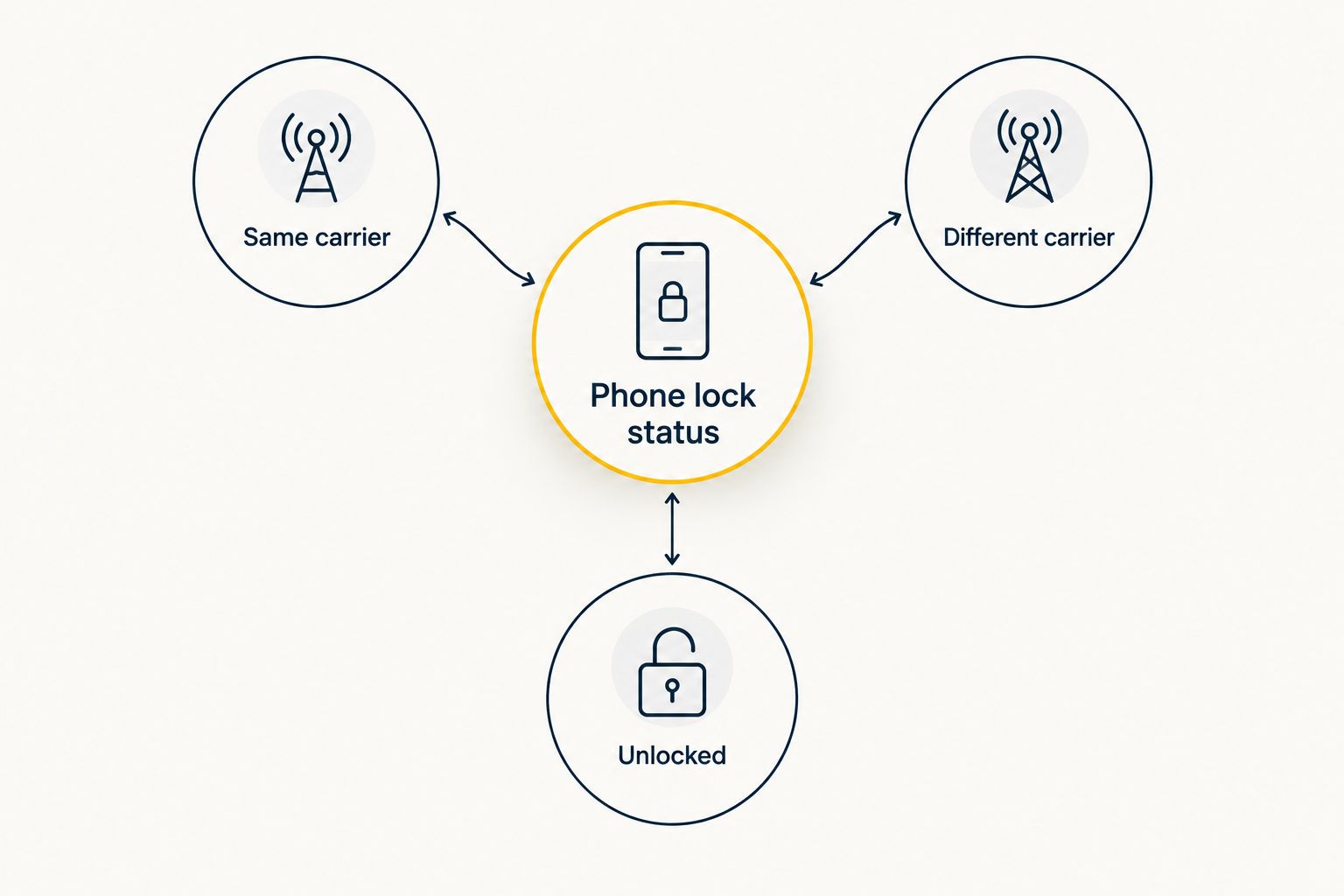
The short answer is conditional: same carrier, yes — different carrier, no. The table below covers the three states a phone can be in.
| Phone status | eSIM from same carrier | eSIM from a different carrier (e.g. a travel eSIM) |
|---|---|---|
| Locked | Works | Blocked |
| Unlocked | Works | Works |
| Locked, unlock request approved | Works | Works, once unlock finishes processing |
The lock is a network-level restriction the carrier applies to the device, not a limitation of eSIM technology itself. Every modern iPhone and most Android flagships from 2026 support eSIM hardware regardless of lock status — the hardware isn't the problem, the network permission is.
iPhone locked to a carrier: only that carrier's eSIM works
Apple applies carrier lock at the software level, and it governs eSIM installation the same way it governs physical SIM swaps. A locked iPhone shows a message like "No SIM restrictions" (unlocked) or names the carrier it's tied to under Settings > General > About > Carrier Lock. If that field names a carrier other than the one you're trying to activate an eSIM from, the install fails.
Once an iPhone is confirmed unlocked, adding a travel eSIM takes a single tap through the carrier's app or a scanned QR code — the step-by-step iPhone setup covers the exact taps in order.
Android phones locked to a carrier: same restriction applies
Android handles this identically, though the settings path varies by manufacturer. On most Samsung and Pixel devices, lock status shows under Settings > Network & Internet > SIM cards or in a dedicated "Carrier lock" menu. A locked Android phone rejects an eSIM profile from any network other than the one it's registered to, exactly like a locked iPhone.
Once unlocked, installing a travel eSIM on Android is a quick process — see the Android eSIM setup guide for the exact menu sequence.
Why phones get locked in the first place
Carrier locks exist to protect the carrier's investment in a subsidized or financed device. The common triggers:
- Financing agreements — the phone is locked until the device is paid off in full.
- Prepaid subsidies — some prepaid phones ship locked for a fixed period regardless of payment.
- Carrier promotions — free or discounted phones tied to a contract usually lock for the contract term.
- Country-specific rules — some markets require a minimum active period before a carrier allows unlocking.
- Fraud prevention — carriers lock devices to reduce resale of stolen or fraudulently obtained phones.
None of these locks affect the phone's physical ability to run eSIM software — they're account-level permissions the carrier controls remotely.
Check your phone before you travel
Confirm eSIM compatibility and see supported destinations in one tap.
How do I know if my phone is locked?
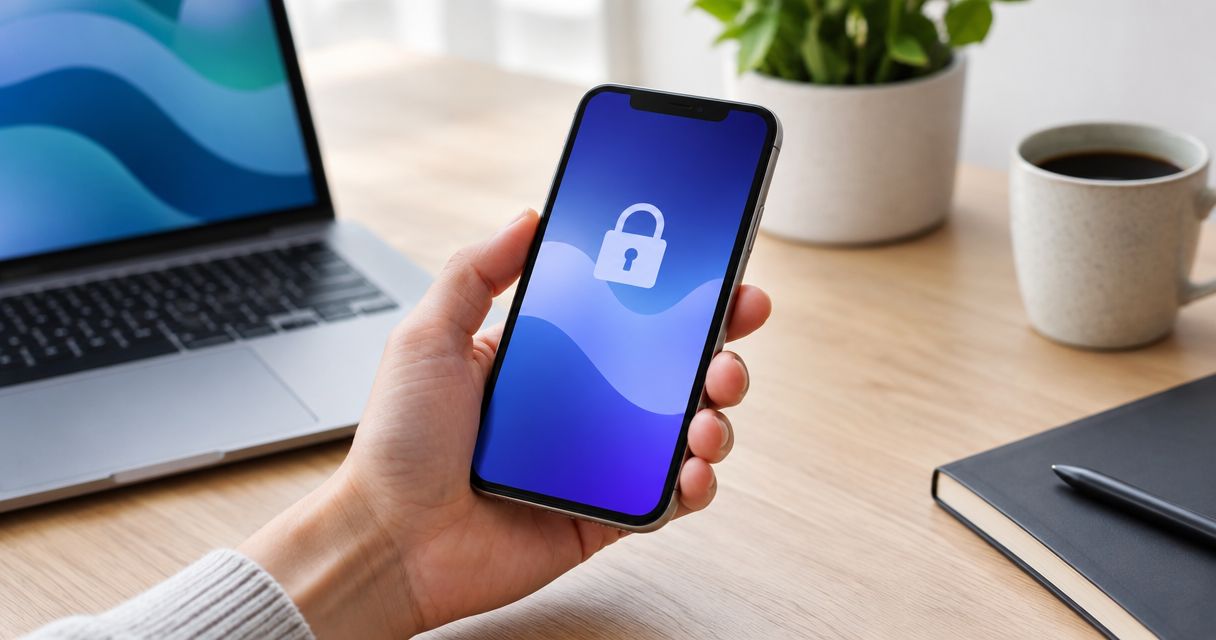
Check Settings > General > About on iPhone or the SIM/network menu on Android for a carrier lock or SIM restriction field. If it names a specific carrier, the phone is locked to that network in 2026 and any eSIM from a different provider will fail to activate.
Can I unlock my phone myself before a trip?
You can request an unlock directly from your carrier, and in Canada carriers are required to unlock a phone for free on request under the CRTC Wireless Code, which has been in effect since December 2017. The request typically clears in minutes to a few business days depending on whether the device is fully paid off.
Does an unlocked phone still need a SIM card at all?
An unlocked phone with eSIM support doesn't need a physical SIM card — it can run entirely on downloaded eSIM profiles, including a travel eSIM for international data. Some travelers keep a physical SIM in one slot for their home number while running a travel eSIM in the second profile; the dual-SIM setup guide walks through running both together.
FAQ
Can a locked phone use an eSIM from a different carrier?
No, a locked phone can't use an eSIM from a different carrier until the lock is removed — the restriction blocks eSIM profiles the same way it blocks physical SIM cards from other networks.
Is a locked phone the same as an eSIM-locked phone?
Yes, carrier lock and eSIM restrictions are the same mechanism applied at the network level; there's no separate 'eSIM lock' distinct from a standard carrier lock.
How long does it take to unlock a phone in Canada?
Canadian carriers must process unlock requests for free under the CRTC Wireless Code, and most requests clear within a few business days once the device is confirmed paid off.
Does an unlocked iPhone work with any travel eSIM?
Yes, an unlocked iPhone with eSIM support works with any compatible travel eSIM, including A-Sim, as long as the destination's network coverage is included in the plan.
Can I check if my phone is locked without calling my carrier?
Yes, check the carrier lock field under Settings > General > About on iPhone or the SIM settings menu on Android — no call is needed to see the current lock status.
Will a locked phone show an error when installing a travel eSIM?
Yes, a locked phone typically shows an activation failure or 'not supported' message when scanning a QR code from a carrier other than the one it's locked to.
Does unlocking a phone delete existing eSIM profiles?
No, unlocking a phone doesn't remove installed eSIM profiles; it only changes which networks the phone is permitted to connect to going forward.
One last thing
Most people assume unlocking a phone requires being out of contract, but in Canada that hasn't been true since the Wireless Code update took effect in December 2017 — carriers must unlock on request regardless of contract status, at no charge. Confirm lock status a week before travel, not at the gate, since some unlock requests take a few business days to clear.